


Tel / WhatsApp
+86-13790241903

Views: 208 Author: Farwise Lighting Publish Time: 2026-07-17 Origin: Site


Content Menu
● Understanding Why LED Strips Turn Blue
● Main Technical Reasons LED Strips Turn Blue
>> 1. Overheating and Poor Thermal Management
>> 2. Low-Quality LED Chips and Materials
>> 3. Environmental Stress: Moisture, Chemicals, and UV
>> 4. Power Supply Mismatch and Voltage Fluctuations
● Why Silicone LED Strips Behave Differently
● Typical User Symptoms and What They Really Mean
● Step-by-Step Troubleshooting: How to Diagnose a Blue LED Strip
>> 1. Visual Inspection Checklist
>> 2. Check Power Supply and Connections
● Preventive Best Practices for Long-Term Color Stability
>> Design and Installation Recommendations
>> Operation and Maintenance Tips
● How a Professional Manufacturer Designs Against Blue Shift
● Case Example: Furniture Lighting Project with Silicone LED Strips
● When to Repair and When to Replace
● How OEM/ODM Customization Helps Prevent Color Shift
● Practical Checklist: How to Stop Your LED Strip Turning Blue
● Upgrade to Stable, Custom LED Solutions
When an LED light strip gradually turns bluish, it is usually a warning sign of thermal stress, poor component quality, or mismatched power supply, but with the right strip, installation, and OEM/ODM support, you can avoid this issue entirely and extend your system's lifespan. [lightstec]
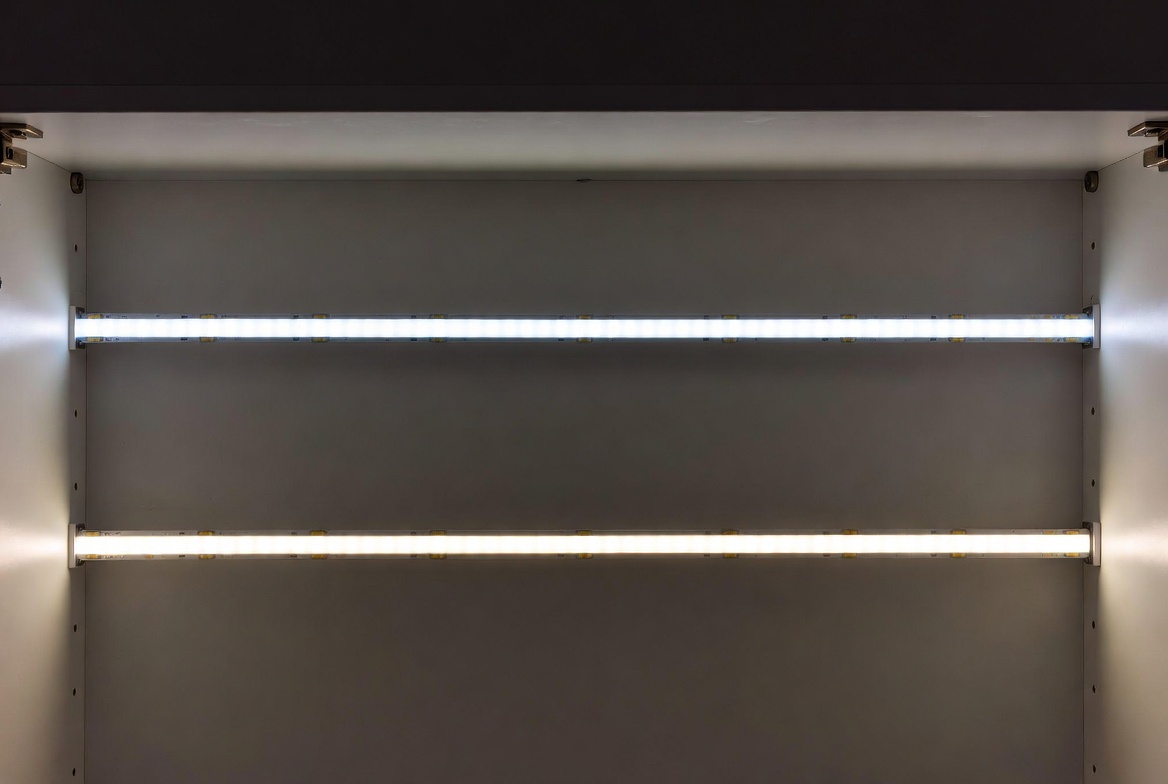
When white LED strips slowly shift toward blue, it rarely happens "for no reason" – it is almost always the result of heat, stress, or chemistry inside the LED package and surrounding materials. [derunledlights]
From an engineering standpoint, the blue shift often comes from phosphor and encapsulant degradation inside the LED, combined with unstable drive conditions over time. [b2bwiki.baidu]
Overheating is one of the most common reasons why an LED light strip turns blue after a period of time. [derunledlights]
When the strip is installed in poorly ventilated channels or directly onto thermally insulating surfaces, junction temperature rises and the phosphor layer inside white LEDs begins to degrade, allowing more of the original blue chip light to dominate. [b2bwiki.baidu]
Typical overheating scenarios include: [lightstec]
- Enclosed aluminum profiles without ventilation slots
- Silicone LED strips installed directly against foam, wood, or textiles
- Long continuous runs powered from one end only, causing current overload at the head
- Furniture lighting where heat accumulates in closed cabinets or wardrobes
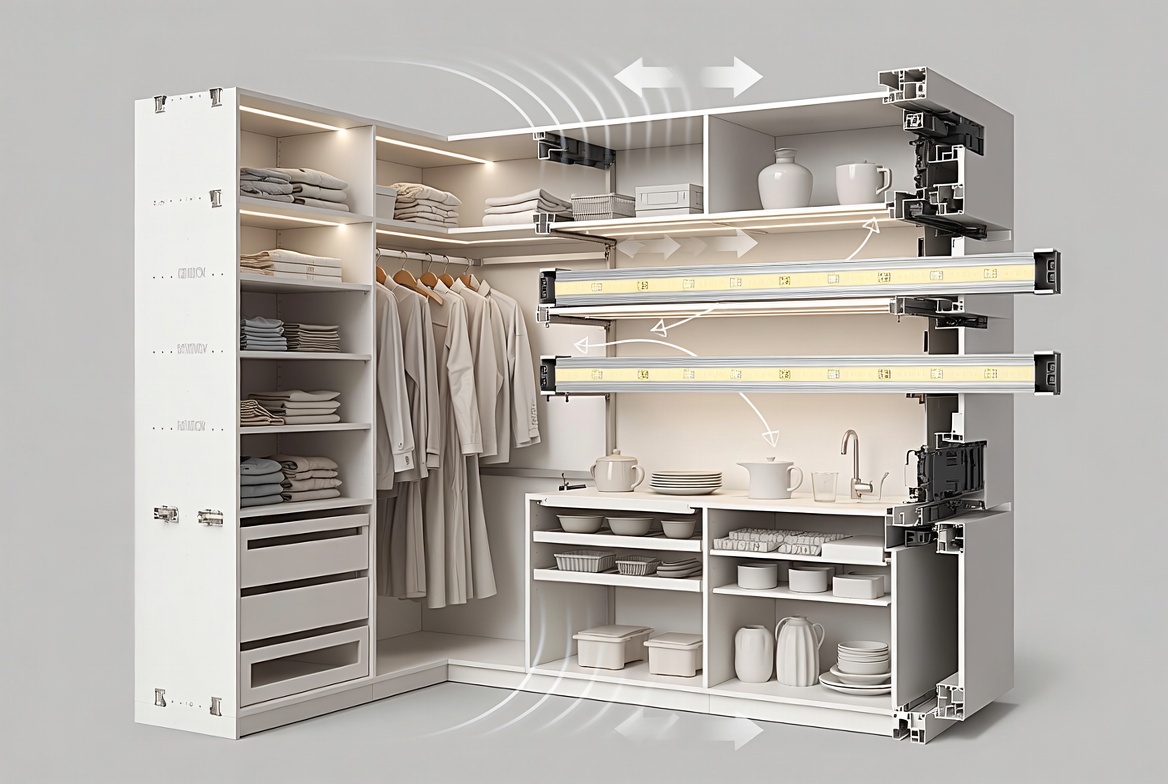
Budget LED strips often use lower-grade LED packages and inconsistent phosphor formulations, which are more prone to color shift as they age. [derunledlights]
Inconsistent binning, thin copper PCB, and recycled or low-cost materials may pass initial inspection, but after hundreds of hours of operation, they can show visible shifts in color temperature, including a noticeable bluish or greenish tint. [b2bwiki.baidu]
Key risk factors with low-cost strips: [lightstec]
- Unspecified or mixed color temperature (e.g. "warm white" without any Kelvin rating)
- No data on lumen maintenance or LED lifetime
- Minimal quality control on PCB thickness, soldering, and encapsulation
Even high-quality LEDs can turn blue if they are exposed to humidity, aggressive cleaning chemicals, or UV radiation they were not designed to handle. [b2bwiki.baidu]
In particular, non-UV-stabilized encapsulants and silicone jackets can yellow or cloud over time, which changes how light passes through and can change the perceived color balance of the strip. [fhxled]
Common environmental issues include: [derunledlights]
- Installing indoor-rated (IP20) strips in bathrooms or near cooking areas
- Contact with cleaning sprays, solvents, or adhesive vapors
- Outdoor or window-front installations with prolonged sunlight exposure
LED light strips are designed to work within a specific voltage range; when the power supply is unstable or incorrect, current imbalances can cause color shift and premature aging. [b2bwiki.baidu]
Using a non-matched or low-quality power supply can lead to:
- Over-voltage that accelerates LED degradation
- Under-voltage that changes color temperature and reduces brightness
- Ripple or noise that stresses LED drivers and causes uneven aging across channels
A reliable LED system always pairs the strip with a properly rated, constant-voltage driver with sufficient power headroom and protection features. [b2bwiki.baidu]
As a manufacturer focused on silicone LED strip lights and furniture lighting systems, we see a clear performance difference between premium silicone-encapsulated strips and basic PVC-based tapes in long-term color stability. [ledyilighting]
Silicone offers: [shine]
- Higher thermal stability, which reduces phosphor and encapsulant degradation
- Anti-yellowing properties, keeping optical paths clear over time
- Better resistance to UV, humidity, and chemicals, especially in kitchen and bathroom applications
- Mechanical flexibility with less micro-cracking over repeated bending
Combined with high-CRI LEDs, thicker PCBs, and rigorously tested silicone compounds, this significantly delays the onset of any visible blue shift compared with commodity strips. [farwiselighting]
From real-world feedback, users usually describe color shift using simple, visual language, but each symptom often points to a specific engineering cause. [leddjc]
Common user descriptions include: [lightstec]
- "My warm white LED strip suddenly looks cold blue."
- "Only one section of the strip has turned bluish, while the rest is normal."
- "The strip was fine for a few months, then gradually shifted color."
What these symptoms typically indicate: [b2bwiki.baidu]
- Full run becomes bluer → likely overheating or under-specified LEDs
- Partial segments shift → localized damage, moisture ingress, or soldering issues
- Gradual shift over months → natural aging accelerated by heat or unstable power
By listening carefully to these descriptions and combining them with installation photos or videos, professional suppliers can diagnose the root cause more accurately. [ledyilighting]
Before replacing anything, perform a simple visual check. [ledyilighting]
Look for: [fhxled]
- Discoloration on the strip PCB or silicone jacket
- Burn marks or dark spots around individual LED chips
- Cracks, cuts, or bubbles in silicone or protective coatings
- Corrosion at connectors or solder joints
If one segment looks significantly different from the rest, mark it – this is often where the issue started. [fhxled]
Next, verify that the power system is matched and stable. [b2bwiki.baidu]
Key checks: [b2bwiki.baidu]
1. Confirm the nominal voltage of the strip (e.g. 12 V or 24 V) and ensure the power supply matches.
2. Check whether the power supply wattage is at least 20–30% higher than the total load.
3. Inspect connectors, dimmers, and controllers for loose contacts or signs of overheating.
If possible, test the strip with a known-good power supply; if the color improves or stabilizes, the original driver is likely the issue. [b2bwiki.baidu]
Many professional installers use segment testing to isolate the faulty area. [leddjc]
- Cut or disconnect the strip at manufacturer-approved cut points.
- Test each segment individually with a stable power supply.
- If one segment shows strong blue shift while others remain neutral, it confirms localized LED damage.
This approach avoids unnecessary full replacement and lets you focus on affected sections only. [leddjc]
To prevent a LED light strip from turning blue, professional designers and OEM/ODM partners follow a set of preventive rules during project planning. [derunledlights]
Practical recommendations: [lightstec]
- Use high-quality strips from reputable factories with documented testing and certifications.
- Install strips on thermally conductive surfaces, such as aluminum profiles with good ventilation.
- Keep continuous run lengths within manufacturer limits to avoid voltage drop and overheating.
- Choose IP65/IP67-rated silicone strips for kitchens, bathrooms, and humid environments.
By designing with these constraints in mind, you greatly reduce the risk of early color shift. [farwiselighting]
Even the best system needs basic care to maintain performance. [b2bwiki.baidu]
- Avoid running strips at 100% brightness continuously if not necessary.
- Schedule regular visual checks for discoloration, especially in enclosed furniture or coves.
- Use non-aggressive cleaning methods, keeping chemicals away from silicone or connectors.
In commercial and high-end residential projects, planned maintenance is part of the specification – not an afterthought. [farwiselighting]
As a source factory specializing in silicone LED strip lights and furniture lighting, we approach color stability as a design target, not a side effect. [shine]
Key design strategies include: [ledyilighting]
- Strict LED binning for color temperature and CRI, ensuring consistent batches
- Thick copper PCBs and optimized current paths to reduce thermal stress
- Anti-yellowing silicone formulations with rigorous UV and thermal shock testing
- Full system testing, including aging, power cycling, and environmental simulation
This combination allows us to supply high-performance, low-energy-consumption LED solutions that maintain their intended color profile throughout their service life in cabinets, wardrobes, bathrooms, and bedroom furniture. [farwiselighting]
In a recent furniture lighting project, a client replaced older PVC LED strips that had turned noticeably bluish in wardrobe and cabinet installations after one to two years of use. [ledyilighting]
We upgraded the system to custom-length silicone LED strips with higher thermal stability, integrated aluminum profiles, and a properly matched 24 V power system, resulting in stable warm white illumination across all cabinets and significantly reduced maintenance calls. [farwiselighting]
This illustrates how system-level design, not just component selection, determines whether an LED strip will remain visually consistent over time. [ledyilighting]
From a cost–benefit standpoint, not every blue-shifted strip should be repaired; in many cases, replacement with a higher-grade solution is more economical. [derunledlights]
Repair is reasonable when: [fhxled]
- Only a short segment is affected
- The strip is easily accessible (e.g. open shelves, accessible profiles)
- The original system is otherwise stable and correctly designed
Full replacement is recommended when: [lightstec]
- Multiple segments show visible blue shift
- The power system is under-specified or mismatched
- The installation environment (e.g. high humidity) clearly exceeds the original rating
Working with an OEM/ODM partner allows you to redesign the system for future stability while meeting specific project constraints. [farwiselighting]
For furniture manufacturers, interior designers, and lighting brands, OEM/ODM cooperation is often the most efficient way to ensure color consistency and long-term stability. [ledyilighting]
With 16 years of deep experience in LED silicone strips and cabinet lighting, a manufacturer like Farwise can provide: [shine]
- Custom sizes and profiles to fit specific cabinet, wardrobe, or architectural details
- Tailored optics and color temperatures for bedroom, kitchen, bathroom, and display applications
- Integrated power and control solutions, including dimming and smart control, matched to the strip
- Project-level testing and documentation, supporting both installers and end clients
Instead of reacting to a blue-shift problem after installation, OEM/ODM customers can engineer it out of the system from day one. [farwiselighting]
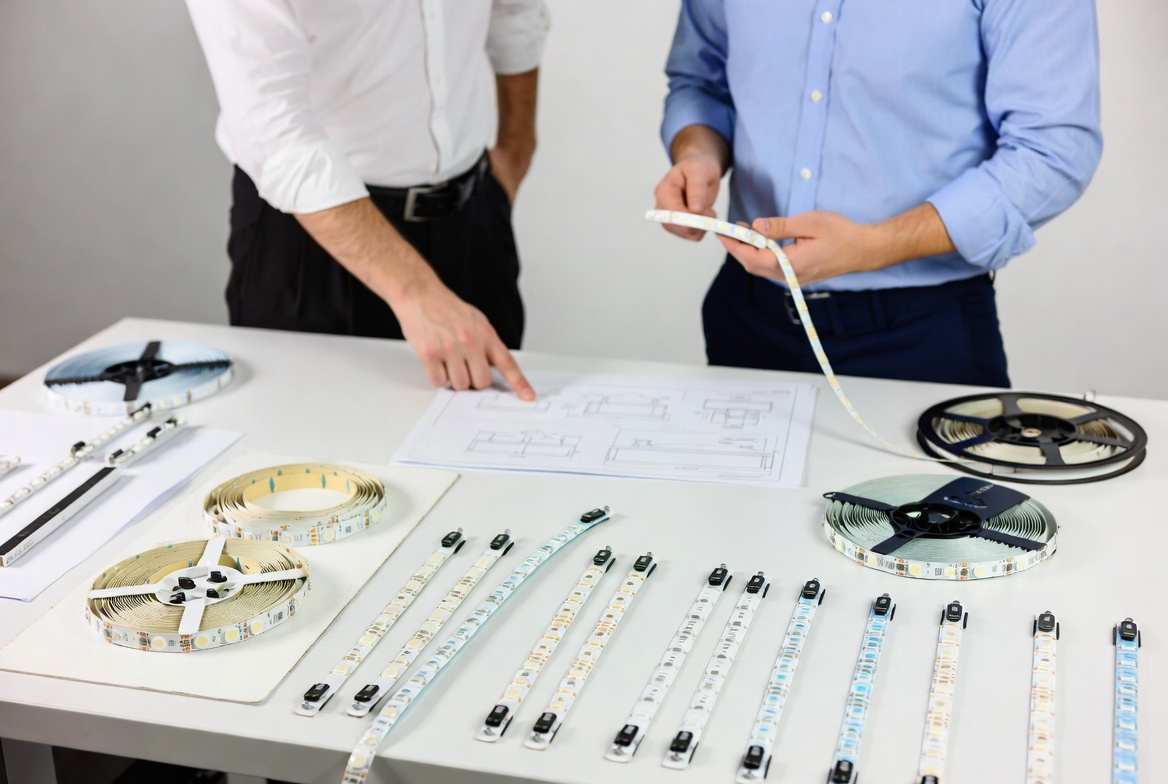
To make this guide actionable, here is a condensed checklist you can use before and after installation:
Before purchase: [b2bwiki.baidu]
- Choose silicone LED strips with documented anti-yellowing performance.
- Verify CRI, color temperature, and certification (e.g. CE, RoHS, UL, where applicable).
- Confirm voltage, wattage, and maximum run length with the supplier.
During installation: [derunledlights]
- Use aluminum profiles or conductive surfaces for better heat dissipation.
- Avoid sharp bends or twisting beyond the manufacturer's specified radius.
- Plan multiple feed points for long runs to reduce voltage drop and thermal hotspots.
In operation: [b2bwiki.baidu]
- Pair strips with reliable, compatible power supplies and controllers.
- Avoid continuous 24/7 full-brightness operation when not necessary.
- Schedule regular visual inspections, especially in high-stress environments.
If you already see a blue shift, follow the troubleshooting steps above and consider upgrading to a professional-grade silicone LED solution with verified stability. [ledyilighting]
If your existing LED light strip has started turning blue, this is more than an aesthetic issue – it is a signal that your current system is under-designed for its environment and duty cycle. [b2bwiki.baidu]
By working with a specialized silicone LED strip manufacturer offering OEM/ODM services, you can upgrade to high-stability, low-energy, and high-cost-performance solutions tailored to cabinets, wardrobes, bathroom vanities, and bedroom furniture, ensuring that your lighting remains comfortable, consistent, and reliable for years to come. [shine]
For new projects or retrofits, consider partnering with a factory-level supplier who can analyze your application, optimize your design, and deliver a one-stop lighting solution rather than just a strip on a reel. [farwiselighting]
1. Why did my LED light strip turn blue after a few months?
In most cases, a strip that turns blue has experienced overheating, poor LED quality, or power supply issues that accelerate phosphor degradation and shift the color balance toward the blue chip. [lightstec]
2. Can I fix a blue LED strip without replacing it?
If only a short segment is affected, you may cut out and replace that section, but if the entire run has shifted color, replacement with a higher-grade strip and better thermal design is usually more practical. [leddjc]
3. Are silicone LED strips less likely to change color?
Yes, high-quality silicone LED strips with anti-yellowing compounds and robust PCB design provide better resistance to heat, UV, and environmental stress, which helps maintain color stability over time. [shine]
4. How do I choose a power supply to prevent color shift?
Select a constant-voltage driver with the correct output (12 V or 24 V), at least 20–30% power headroom, and proven stability; this prevents overdriving LEDs and reduces the risk of color changes. [b2bwiki.baidu]
5. What should I discuss with an OEM/ODM partner if I want stable LED furniture lighting?
Share your application scenarios, target color temperature, run length, installation environment, and control needs, so your OEM/ODM partner can design a complete silicone LED strip and power system optimized for long-term stability. [ledyilighting]
1. Mingxue Optoelectronics – "Why does the LED light strip turn blue after a period of time?" (Dec 22, 2023). https://www.mingxueled.com/news/why-does-the-led-light-strip-turn-blue-after-a-period-of-time/
2. Farwise Technology (Farwise Lighting) – Company website and product specifications for silicone LED strips and cabinet lighting solutions. https://www.farwiselighting.com/
3. Lightstec – " (101 Common Questions About LED Strip Lights)" – fault causes and prevention insights. https://lightstec.com/zh/faq-of-led-strip-light/
4. Baidu B2B Wiki – analysis of strip failures from materials, installation, and voltage stability. https://b2bwiki.baidu.com/article/d1jd631ftjskdn13n2ig
5. Baidu B2B Wiki – impact of controllers and LED strip faults on color shift and test methods. https://b2bwiki.baidu.com/article/d0r7mh9ftjstjkqnbrp0
6. practical troubleshooting and segment testing guidance. http://www.leddjc.cn/article-item-134791.html
7. FHXLED – common strip failure modes and repair techniques. http://www.fhxled.com/news/454.html