


Tel / WhatsApp
+86-13790241903

Views: 291 Author: Farwise Lighting Publish Time: 2026-07-27 Origin: Site


Content Menu
● Why certification matters for LED strip lights
● The real technical difference
● How buyers should evaluate a listing
● What manufacturers should provide
● Why ETL is often chosen in projects
● FAQs
>> 1. Is UL better than ETL for LED strip lights?
>> 2. Are UL and ETL both accepted in North America?
>> 3. Can a custom LED strip light still use the same certification?
>> 4. What should I check before buying LED strip lights with certification marks?
>> 5. Why do some suppliers prefer ETL?
>> 6. Does the certification mark guarantee product quality?
For buyers of LED strip lights, the difference between UL listed and ETL listed often causes confusion, especially when sourcing products for North America. In practical terms, both marks are widely used safety certifications for lighting products, and both are tied to recognized third-party testing programs used across the industry.
At Farwise Technology Co., Ltd., we have spent years designing and manufacturing LED lighting solutions for residential and commercial applications, so we know this question is not just technical—it affects purchasing confidence, project approval, and market access. This article explains the real difference between UL and ETL listed LED strip lights, what buyers should check before ordering, and how manufacturers can support safer, more reliable product selection.
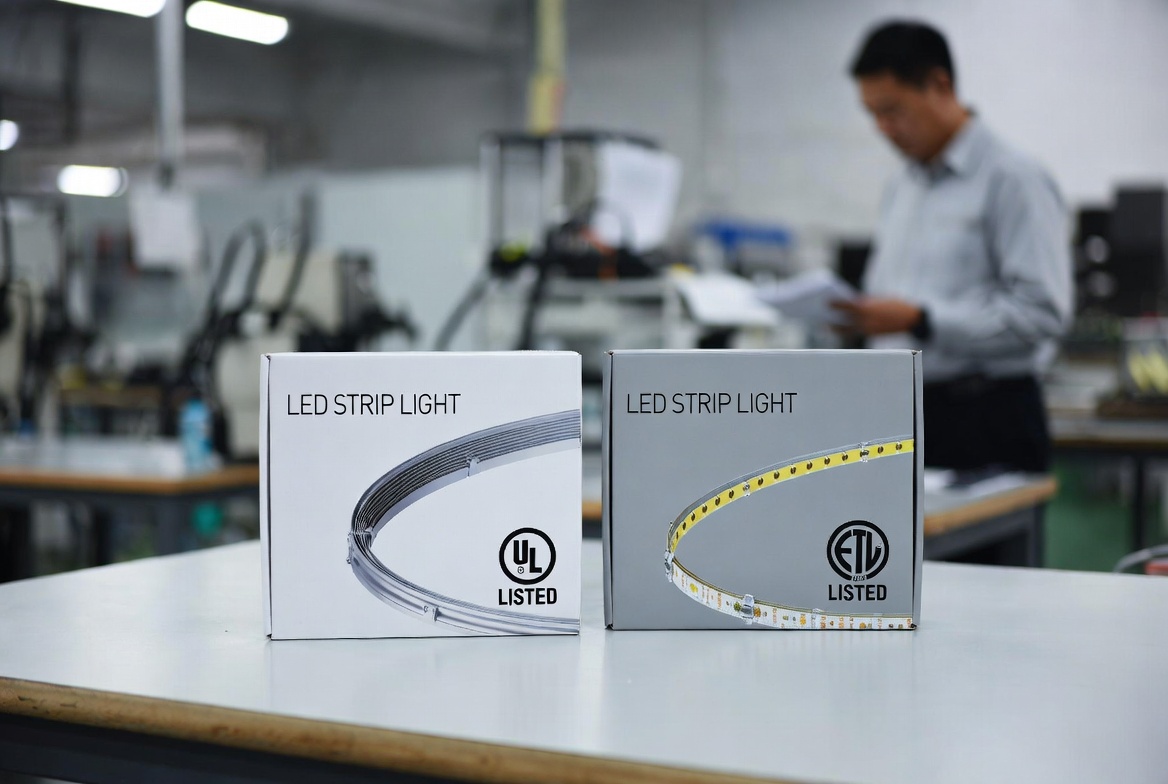
LED strip lights are often installed in cabinets, wardrobes, bathrooms, bedrooms, shelving, and decorative lighting systems, which means safety and consistency matter. Buyers, distributors, contractors, and brand owners usually look for a mark that shows the product has been evaluated by an independent testing body against accepted safety requirements.
A certification mark is not just a label. It helps signal that the product has been assessed for electrical safety, ongoing production control, and conformity with recognized test standards used in the lighting industry.
For LED strip lights, that matters because the product may be used in continuous, hidden, or enclosed environments where heat, wiring quality, and installation practices can affect performance. A clear certification story can reduce commercial friction and help the product move more smoothly through buying, engineering, and compliance reviews.
UL and ETL are both associated with third-party product safety evaluation. They are not the same brand, but they are often compared because both appear on lighting products sold in North America.
| Item | UL Listed | ETL Listed |
|---|---|---|
| Testing basis | Evaluated against recognized safety standards | Evaluated against recognized safety standards |
| Certifying organization | UL Solutions | Intertek |
| Market perception | Very familiar to many buyers | Widely accepted in the industry |
| Product relevance | Common on lighting and electrical products | Common on lighting and electrical products |
| Main purpose | Safety evaluation and ongoing conformity | Safety evaluation and ongoing conformity |
What matters most is not the logo alone, but whether the product was tested under the correct standard for its use case. In other words, the real question is not "Which mark looks better?" but "Which mark is valid, traceable, and aligned with the product's intended application?".
The most important point for buyers is that UL and ETL are both linked to recognized safety certification pathways. UL Solutions states that it supports lighting products with standards such as UL 1598 and UL 8750, while Intertek says its ETL Listed Mark covers North American safety standards including UL 1598, UL 2108, and other relevant lighting standards.
That means the marks come from different organizations, but the underlying safety logic is similar: the product is tested against accepted standards, and the certifier maintains oversight through follow-up processes. For LED strip lights, that is the practical takeaway buyers need.
This is why many engineers, importers, and sourcing teams focus less on the logo itself and more on the exact standard, the scope of listing, and the product's documentation. A genuine listing should be traceable and match the actual construction of the product being sold.
If you are sourcing LED strip lights, do not stop at checking whether the packaging shows UL or ETL. A more reliable review process should include the following steps:
1. Confirm the exact product name and model family.
2. Check whether the listing applies to the complete product or only a component.
3. Review the safety standard referenced in the listing.
4. Compare the listing to the actual product structure, power method, and installation scenario.
5. Ask for supporting documentation from the manufacturer.
This approach is especially important for OEM and ODM projects, where the final product may be customized in size, housing, wiring, or control features. If the certification does not match the modified version, the commercial value of the mark can be weakened.
A useful rule is simple: a valid mark must match the exact product you are buying, not just a similar item from the same factory.
For a lighting manufacturer, certification is only one part of the value proposition. Buyers also expect clean documentation, fast communication, and consistency between the sample, mass production unit, and final shipment.
A strong factory should be ready to provide:
- Product specification sheets.
- Installation guidance.
- Safety and compliance documents.
- Clear model identification.
- Evidence that the supplied version matches the listed version.
This is especially important for furniture lighting, cabinet lighting, wardrobe lighting, vanity lighting, and other built-in applications where end users care about both appearance and safety. When the documentation is clear, the buying process becomes easier for distributors, designers, and project teams.
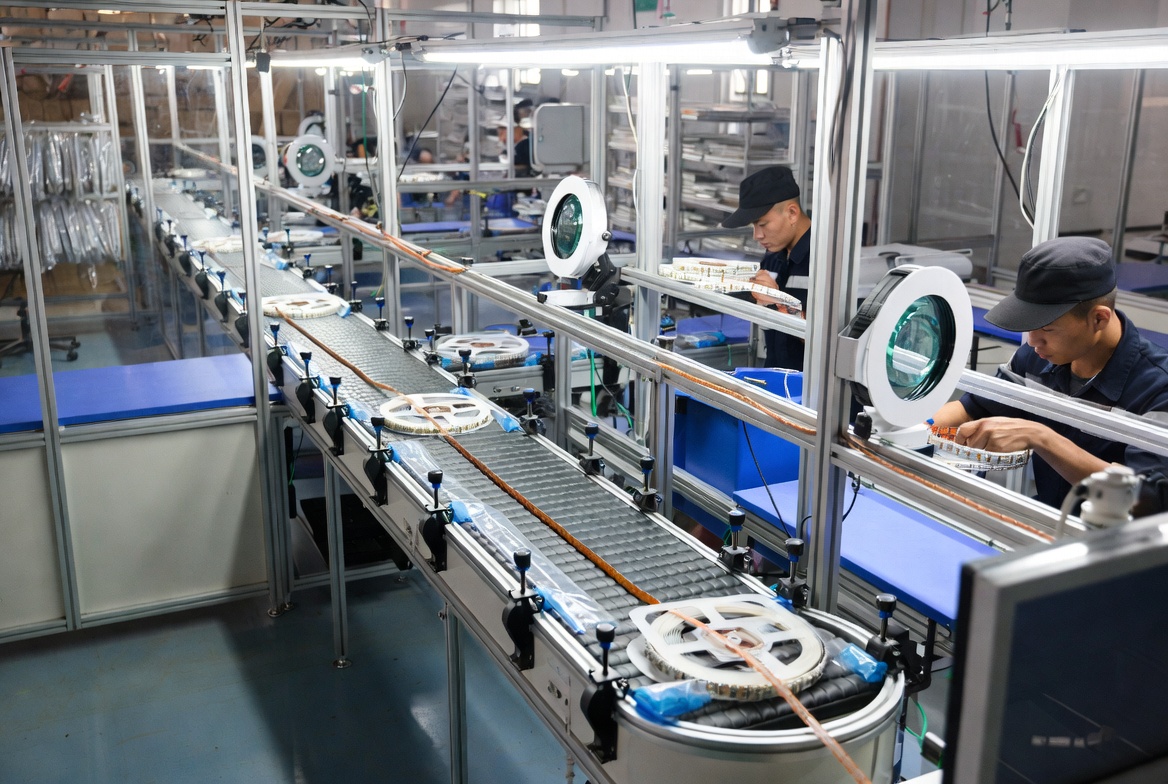
In many sourcing situations, ETL is selected because it is widely accepted, clearly recognized, and backed by Intertek's North American safety testing services. For manufacturers, that can mean a smoother route when the goal is to launch a lighting product efficiently while still meeting safety expectations.
This does not mean UL is less reliable. It means the buyer may be choosing based on commercial preference, existing channel requirements, lead time, or internal vendor standards. In real procurement work, the best choice is often the one that aligns with the target market, customer expectation, and documentation readiness.
For export-focused lighting brands, the strongest strategy is usually not to argue over a single mark. Instead, the goal is to build a certification plan that supports the intended market, product category, and launch schedule.
A lot of problems happen when buyers assume that a certification logo automatically guarantees the exact same product structure across all versions. That is not safe to assume. Lighting certification depends on the tested configuration, and even a small change in components, wiring, enclosure, or installation method may require review.
To reduce risk, buyers should ask for:
- The listing name and reference number.
- The exact model covered by the certificate.
- The matching product photos and labeling.
- The installation scenario approved by the listing.
- Written confirmation that customized versions are still covered.
This matters even more for LED strip lights used in furniture or decorative applications, because these products are often ordered in custom lengths, shapes, or functions. In custom projects, a manufacturer's ability to explain the compliance scope is just as important as the mark itself.
If you are evaluating suppliers, look beyond sales claims and check whether the factory can support both product development and compliance communication. A capable supplier should understand how the product will be used, which market it targets, and what documentation downstream buyers need.
Farwise Technology Co., Ltd. focuses on high-stability LED lighting solutions for cabinet, wardrobe, bathroom vanity, bedroom bed-frame, and other furniture lighting applications. Our OEM/ODM support is designed for brands that need flexible customization, reliable manufacturing, and a practical compliance-oriented sourcing process.
In short, the strongest supplier is not just a producer. It is a partner that helps you reduce uncertainty, improve project approval speed, and deliver a product that feels credible in the market.
If you are comparing UL vs ETL listed LED strip lights, the best decision is usually not about prestige alone. It is about matching the correct standard, confirming the product scope, and making sure the supplier can back up the claim with real documentation.
For most commercial buyers, both marks can be acceptable when they are valid and traceable. The smarter question is whether the listing matches the exact LED strip light you plan to import, install, or resell.
For OEM and ODM projects, choosing a manufacturer that understands certification, application, and documentation from the start will save time later and improve confidence across the entire supply chain. If your goal is to launch or upgrade LED strip light products for cabinet, wardrobe, bathroom, or furniture lighting, now is the right time to align product design with compliance planning.
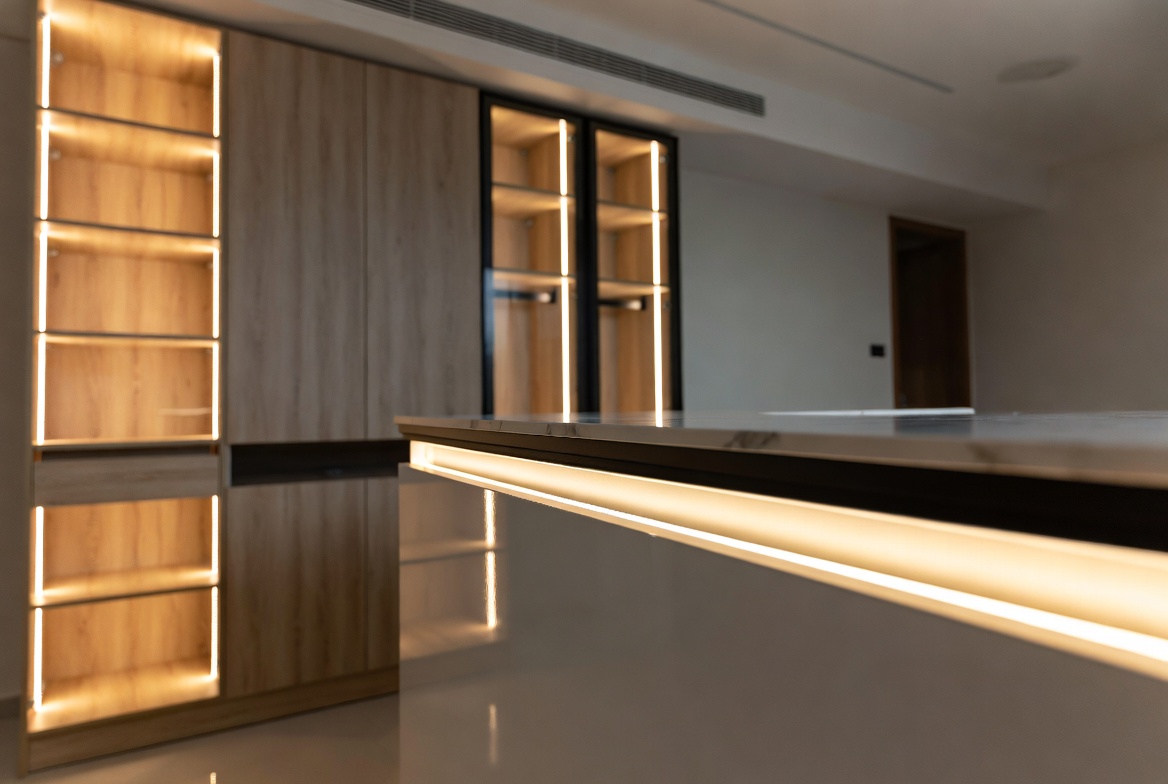
Not necessarily. Both are widely used third-party safety marks, and the more important point is whether the product was tested against the correct standard and whether the listing is valid for the exact product.
Yes. Both are used in North American lighting and electrical product certification workflows, and both are associated with recognized testing and certification programs.
Only if the customized version still falls within the scope of the original listing. Buyers should verify that the actual model, structure, and installation method match the certification coverage.
Check the exact model, the applicable standard, the product labeling, the certificate scope, and whether the supplier can provide matching documentation.
ETL is often chosen because it is recognized in the market and supported by Intertek's North American safety certification services for lighting products.
It helps show safety conformity, but it does not replace good design, stable materials, or reliable manufacturing. A strong supplier should still provide consistent production quality and documentation support.
1. Intertek, "Electrical Safety Testing: North America" — [https://www.intertek.com/lighting/electrical-safety-testing/north-america/]
2. UL Solutions, "Lighting Safety Testing and Certification" — [https://www.ul.com/industries/products-and-components/lighting/lighting-safety-testing-and-certification]
3. NSF, "Electrical FAQs: Is OSHA a NRTL? Is a NRTL the Same as OSHA?" — [https://www.nsf.org/knowledge-library/electrical-osha-nrtl]
4. UL Solutions, "Lighting Standards and Certification" — [https://www.ul.com/industries/lighting]
5. OnLogic, "ETL Listed vs UL Listed: A Guide to Understanding Safety Certifications" — [https://www.onlogic.com/blog/etl-listed-vs-ul-listed-a-guide-to-understanding-safety-certifications/]
6. Intertek, "Product directories and certification marks" page referenced within North America lighting safety resources — [https://www.intertek.com/lighting/electrical-safety-testing/north-america/]