


Tel / WhatsApp
+86-13790241903

Views: 271 Author: Farwise Lighting Publish Time: 2026-07-15 Origin: Site


Content Menu
● What Is Neon Flex and When Is It Used?
● Main Technical Disadvantages of Neon Flex
>> 1. Heat Generation and Thermal Management
>> 2. Durability and Environmental Aging
>> 3. Restricted Color and CCT Consistency
>> 4. Brightness and Visibility in High‑Ambient Environments
>> 5. Power Consumption and System Efficiency
● Installation and Maintenance Drawbacks
>> 6. Complexity of Installation
>> 7. Compatibility and Control Issues
>> 8. Maintenance, Repair, and Lifetime Reality
● Economic and Environmental Concerns
>> 10. Environmental Impact and Disposal
● Where Neon Flex Performs Well
● Neon Flex vs Silicone LED Strip Lights for Furniture and Cabinet Projects
>> Key Differences for Interior Projects
● Expert Design Recommendations for Specifiers
>> When to Consider Silicone LED Strip Solutions Instead
● Real‑World Project Perspective: From Neon Flex to Systemized Furniture Lighting
● Practical Checklist: Is Neon Flex the Right Choice for Your Project?
● How Professional OEM/ODM Lighting Support Mitigates These Drawbacks
● FAQs About Neon Flex Disadvantages
Neon flex (LED neon) offers eye‑catching, flexible lighting, but it also comes with technical, economic, and UX drawbacks that specifiers often underestimate. As a manufacturer specializing in silicone LED strip lights for furniture and architectural projects, I'll walk through these disadvantages from an engineer's and project owner's perspective, and show when silicone LED strip alternatives deliver better long‑term value. [farwiselighting]
Neon flex, also called LED neon flex or flexible neon lights, is a solid or hollow polymer profile with embedded LEDs that mimics traditional glass neon's continuous glow. Designers use it to create curved lines, logos, and decorative contours without fragile glass tubes. [shine]
Common applications include: [shine]
- Signage and brand logos for shops, bars, and events
- Accent lighting in clubs, gaming rooms, and themed spaces
- Decorative outlines on building facades and architectural details
- Event backdrops, stage edges, and immersive installations
- Safety or pathway marking on stairs and walkways
In practice, neon flex sits between pure decorative lighting and functional linear lighting, which is where many of its disadvantages start to appear in real projects. [signliteled]
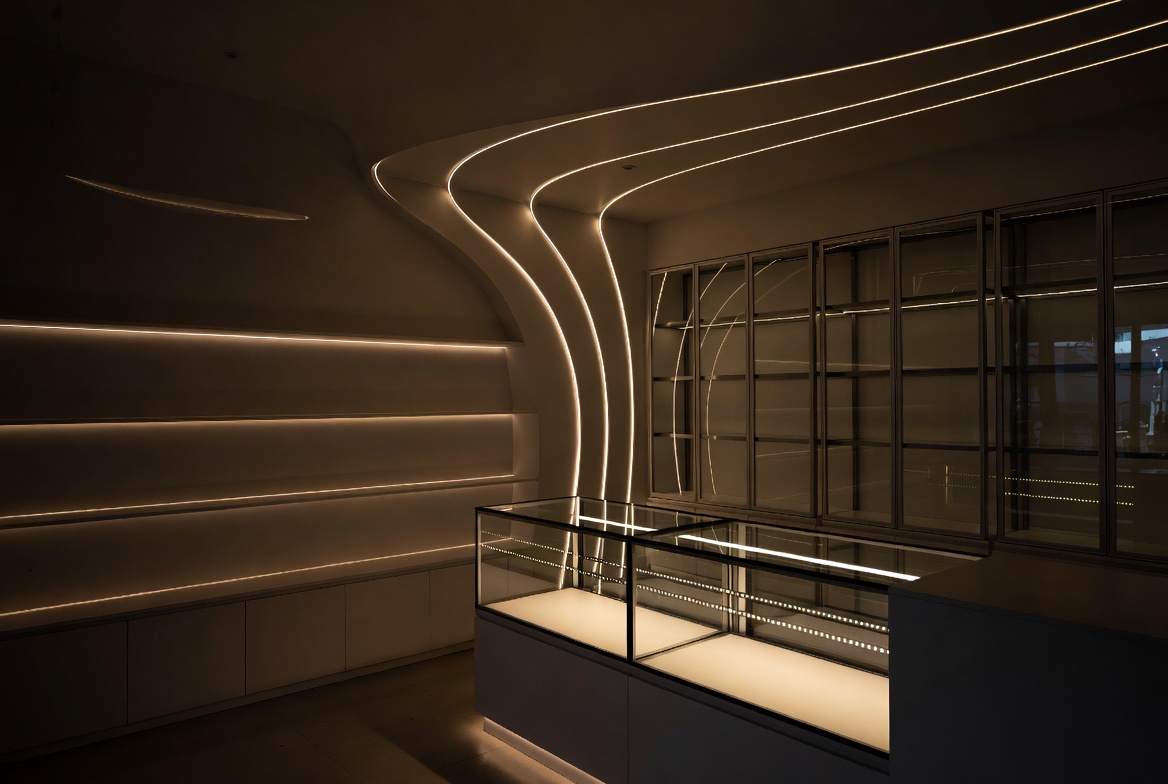
LED neon flex runs cooler than traditional gas‑filled neon, but it still generates heat along the strip, especially at higher power densities. [signliteled]
Key problems you'll see on site:
- Brightness decay over time because excess heat accelerates LED chip aging. [signliteled]
- Hot spots at bend points or tight curves where heat cannot dissipate effectively.
- Constraints on installation in enclosed cavities, cabinets, or tight furniture profiles due to limited airflow. [signliteled]
From a manufacturer's perspective, we often have to derate the power per meter or re‑design the profile because heat build‑up inside closed furniture cavities can dramatically shorten neon flex lifetime compared with well‑ventilated, extruded silicone LED strips. [farwiselighting]
Neon flex uses PVC or silicone jackets to provide flexibility and impact resistance, but real‑world conditions expose several durability issues: [shine]
- UV exposure: Lower‑grade materials yellow or become brittle outdoors, affecting light color and mechanical integrity. [signliteled]
- Mechanical stress: Repeated bending or impacts can cause micro‑cracks, leading to water ingress and LED failure. [signliteled]
- Temperature cycling: Expansion and contraction over years can separate internal components or break connections.
For harsh environments and long design lifetimes, high‑grade silicone LED strips with UV‑resistant formulations and rigorous aging tests tend to outperform generic neon flex in color stability and physical resilience. [glamorled]
Neon flex supports multiple colors, but designers often face two practical limitations: [shine]
- The available color palette or color temperature range may be narrower than what you can achieve with modular LED strip systems. [shine]
- Batch‑to‑batch consistency can be poor with low‑quality products, causing visible color shifts across long runs or between replacement segments. [signliteled]
Especially in retail, museum, or high‑end residential projects, inconsistent color between sections is a common complaint, which is why professional projects increasingly specify CRI>90 silicone strips with tight binning rather than generic neon flex. [farwiselighting]
Neon flex's diffused profile creates smooth, soft light, but this comes at the cost of peak luminance. [shine]
Typical brightness challenges:
- In direct sunlight or well‑lit commercial spaces, neon flex signage can appear washed out compared with traditional glass neon or high‑output linear LED modules. [shine]
- Long outdoor runs may fail to meet visibility targets at a distance without increasing power and heat. [signliteled]
For outdoor storefronts or daylight‑exposed facades, we often recommend high‑efficacy silicone LED strips in optimized profiles so you can balance diffusion with sufficient candela to remain readable under high ambient light. [ledstriplightings]
On paper, LED neon flex is more efficient than classical neon tubes, but several system‑level details matter: [shine]
- Diffusion and small cross‑sections can require higher LED density per meter to achieve uniform, dot‑free light.
- Large installations need longer runs, multiple feeds, and higher‑power drivers, increasing total consumption and system complexity. [signliteled]
- Voltage drop over long single‑end feeds can cause dimming or color shift at the far end, requiring multi‑point power injection. [signliteled]
When you compare lumens per watt for the entire system, well‑engineered silicone strips with optimized optics often deliver more usable light at lower power for furniture and cabinet lighting scenarios. [farwiselighting]
Marketing materials often present neon flex as "plug‑and‑play," but custom installations tell a different story: [shine]
- Precise bending, cutting, and sealing of ends require trained installers and manufacturer‑approved accessories.
- Curved logos or complex patterns demand accurate templates, CNC‑cut backplates, or 3D modeling, which increases labor costs.
- In furniture or cabinet applications, profile depth and bend radius limitations can conflict with design intent.
Whereas recessed silicone LED strips and cabinet bars can be installed using standardized profiles and plug‑in connectors, neon flex frequently relies on bespoke mounting and field sealing, which increases risk and variability. [farwiselighting]
Unlike traditional neon, LED neon flex runs on low voltage DC and requires electronic drivers or controllers. [shine]
Common pain points:
- Incompatibility with existing neon transformers, complicating retrofits of older signage. [shine]
- Flicker, ghosting, or non‑linear dimming when paired with non‑matching dimmers or control protocols. [signliteled]
- Limited integration with advanced control systems (DALI, DMX, smart home) if you choose entry‑level drivers.
By contrast, modern cabinet LED systems and silicone strips can be designed from the ground up around the target control platform, whether it's motion sensors for wardrobes, smart speakers in living rooms, or DMX for façade lighting. [farwiselighting]
Neon flex is marketed with long lifetimes based on LED chip ratings, but field conditions shift the picture: [shine]
- Once water or dust infiltrates a sealed neon flex profile, field repair is difficult or uneconomical.
- Cutting and splicing often voids warranties if not done strictly per the manufacturer's instructions. [signliteled]
- Lower‑cost products may use inconsistent LED bins, adhesives, or PCB materials, leading to premature failures and uneven light. [signliteled]
In complex commercial or hospitality projects, specifiers increasingly pair modular silicone LED systems with accessible channels and quick‑connect modules so damaged sections can be replaced quickly without dismantling entire runs. [farwiselighting]
Initial pricing for high‑quality neon flex is usually lower than traditional glass neon, but total cost tells a fuller story: [shine]
Cost drivers to consider:
1. Design and engineering for custom shapes, signage templates, and fixings.
2. Specialized installation labor, including bending, routing, sealing, and control integration. [signliteled]
3. Maintenance and replacement if segments fail or color‑shift across time.
For linear indoor furniture lighting—kitchens, wardrobes, bathroom cabinets—standardized silicone LED strip systems with OEM/ODM support can reduce design cost, speed installation, and simplify future upgrades, often yielding a lower total cost of ownership. [farwise.en.alibaba]
Like other LED products, neon flex involves electronic components, plastics, and sometimes non‑recyclable compounds. [shine]
Key environmental considerations:
- Improper disposal becomes e‑waste, especially for large event or signage projects replaced frequently. [shine]
- Non‑silicone polymer jackets can degrade under UV, shedding micro‑particles over time.
- Low‑quality LED modules may contain components that are harder to recycle responsibly. [signliteled]
Manufacturers with robust quality and testing regimes aim to extend lifetime, minimize failures, and use more stable materials, which reduces the environmental footprint per lumen delivered. [glamorled]
Despite these drawbacks, neon flex remains valuable when used in the right context: [ledstriplightings]
- Decorative signage and branding where soft, continuous lines matter more than maximum efficiency.
- Immersive interiors—bars, gaming rooms, themed restaurants—where it acts as a visual statement piece. [shine]
- Art installations that explore curved forms, outlines, and dynamic color. [shine]
In these applications, designers deliberately trade some efficiency and straightforward installation for creative freedom in shapes and color effects. [ledstriplightings]
For home and commercial furniture lighting—cabinets, wardrobes, bathroom vanities, bedsides—neon flex disadvantages become more apparent compared with precision silicone LED strip systems. [ledstriplightings]
| Aspect | Neon Flex (LED Neon) (shine) | Silicone LED Strip Lights (farwiselighting) |
|---|---|---|
| Light output | Soft, diffused, lower peak brightness | High efficiency, tuneable output |
| Installation in furniture | More complex, larger bend radius | Slim profiles fit narrow slots and grooves |
| Thermal behavior | Enclosed profile, higher heat buildup | Optimized for cabinet and recessed use |
| Customization | Good for shapes and logos | Strong for length, CCT, CRI, optics |
| Maintenance | Hard to repair once sealed | Modular, easier section replacement |
| Cost over lifecycle | Higher design and maintenance cost | Lower TCO with standardized systems |
For integrated cabinet and furniture lighting, many OEM/ODM clients now specify silicone LED strips, rigid cabinet bars, and track systems instead of neon flex, because they prioritize consistent performance, safe low voltage, and clean installation in narrow profiles. [farwise.en.alibaba]
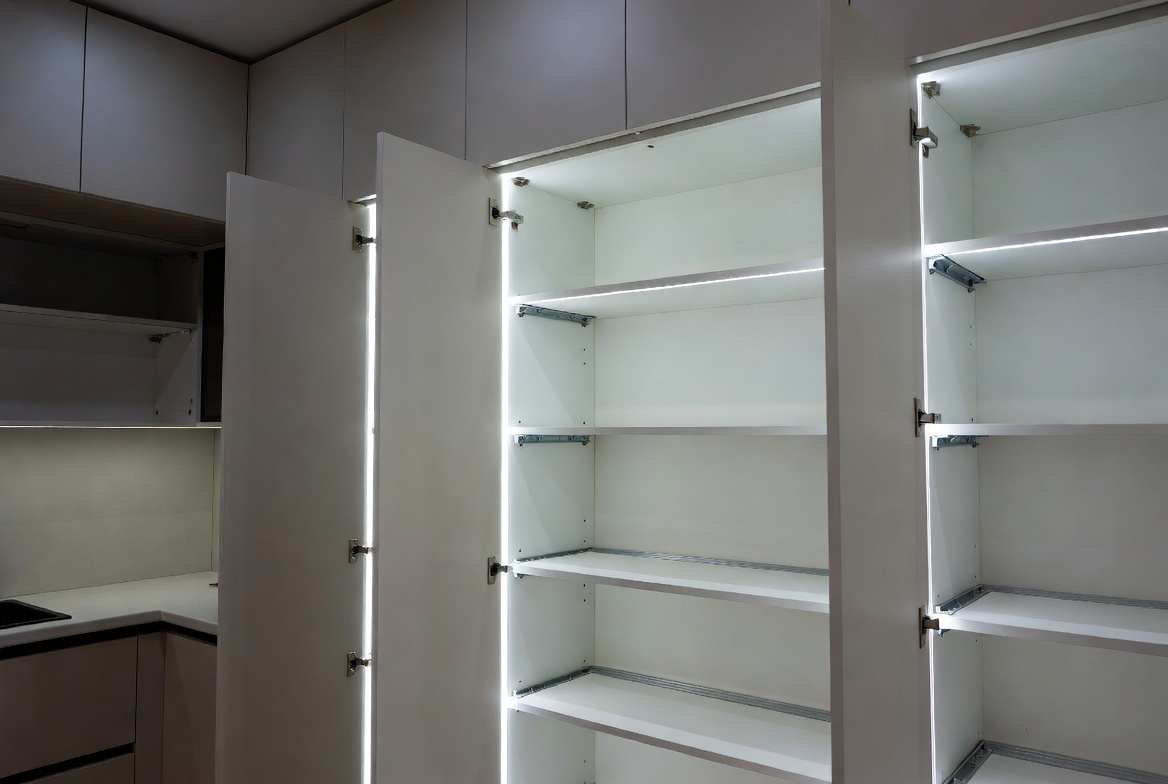
As a manufacturer working on both signage and furniture projects, we typically advise against neon flex in these scenarios: [farwiselighting]
- Task or functional lighting where high lux levels, precise beam control, and glare suppression are critical.
- Tight furniture cavities (ultra‑slim shelves, minimal profiles) that demand 3–6 mm lighting solutions.
- Projects with limited maintenance access, such as built‑in wardrobes or sealed architectural recesses.
Silicone LED strips and integrated cabinet lights offer advantages that directly address neon flex's weaknesses: [glamorled]
- Ultra‑slim formats suitable for hidden installation in tiny gaps. [farwiselighting]
- High CRI, stable color with strict binning and long‑term UV‑resistant materials. [glamorled]
- System‑level design with matching drivers, sensors, rails, and connectors for plug‑and‑play installation. [farwiselighting]
When combined with professional OEM/ODM support, these systems deliver predictable performance and easier installation across wardrobes, kitchen cabinets, bathroom units, bedframes, and display shelves. [farwise.en.alibaba]
In global projects, we often see a typical progression: [farwiselighting]
1. Phase 1 – Decorative focus: Designers choose neon flex for visual impact on feature walls or signage.
2. Phase 2 – Functional expansion: The same clients need under‑cabinet, wardrobe, and mirror lighting that is more task‑oriented.
3. Phase 3 – Systemization: They shift to integrated silicone LED solutions with defined product families, accessories, and standardized installation to reduce complexity and maintenance. [farwiselighting]
For long‑term partners, this transition often results in lower energy use, fewer call‑backs, and more consistent user experience across home and commercial interiors. [farwise.en.alibaba]
Before specifying neon flex, walk through this practical checklist: [signliteled]
1. Define the purpose: Pure decoration, branding, or functional illumination?
2. Assess the environment: Indoor vs outdoor, UV exposure, temperature range, accessibility for maintenance. [signliteled]
3. Check installation constraints: Available depth, bend radius, mounting surface quality, wiring routes.
4. Confirm control requirements: Simple on/off, dimming, RGB, or integration with smart/home or building systems.
5. Evaluate lifecycle cost: Drivers, accessories, installation labor, future replacement scenarios. [signliteled]
If most answers lean towards functional lighting in constrained spaces, precision silicone LED strip systems will usually outperform neon flex on performance, reliability, and user experience. [glamorled]
Many neon flex disadvantages are not purely "product issues" but system design and integration challenges. Engaging an experienced OEM/ODM manufacturer for linear LED and furniture lighting can mitigate risk: [farwiselighting]
- Early technical consultation to match product families to real installation conditions and control systems. [farwiselighting]
- Custom profiles, optics, and lengths to fit cabinets, wardrobes, mirrors, and bedframes precisely.
- Full‑chain testing—from integrating spheres and thermal shock tests to aging equipment—to verify stability and lifetime. [farwiselighting]
With this approach, neon flex can remain a targeted decorative tool, while silicone LED strips and cabinet systems handle the majority of functional and semi‑decorative lighting tasks in modern interiors. [farwise.en.alibaba]
Q1: Is neon flex safe for enclosed cabinet lighting?
Neon flex can be used in cabinets, but heat build‑up and limited airflow may reduce lifetime and risk discoloration; slim silicone LED strips are often safer for enclosed furniture applications. [shine]
Q2: Why does my neon flex sign look dim outdoors?
Diffused profiles and moderate LED output make neon flex less visible in direct sunlight or high‑ambient conditions, compared with high‑output glass neon or linear LED modules designed for outdoor signage. [ledstriplightings]
Q3: Can I retrofit existing glass neon signs with neon flex using the same transformers?
No. LED neon flex requires low‑voltage DC drivers and is generally incompatible with traditional high‑voltage neon transformers, so retrofits need re‑engineering of the power and control system. [shine]
Q4: How does neon flex compare to silicone LED strips in cabinets and wardrobes?
Neon flex offers curved decorative lines, but silicone LED strips provide slimmer profiles, better thermal behavior, and more consistent, efficient functional lighting in cabinets, wardrobes, and closet systems. [glamorled]
Q5: What's the best way to minimize maintenance issues with neon flex?
Use high‑quality products with strong UV resistance and proper sealing, follow manufacturer installation guidelines closely, and design systems with accessible runs so faulty sections can be replaced without dismantling entire structures. [signliteled]
1. Mingxue Lighting – *What are the disadvantages of Neon flex?* (Dec 27, 2024). [https://www.mingxueled.com/news/what-are-the-disadvantages-of-neon-flex/]
2. Farwise Lighting – *Custom Silicone LED Strip & Cabinet Lighting Solutions*. [https://www.farwiselighting.com/]
3. Signlite LED – *Potential drawbacks of LED strip lights and how to avoid them*. [https://www.signliteled.com/zh/disadvantages-of-led-strip-lights/]
4. Glamor Lighting – *Advantages and disadvantages of silicone LED strip lights and usage notes*. [https://www.glamorled.com/zh-tw/the-positive-and-negative-of-silicone-led-strip-and-precautions-for-use.html]
5. Hanglong Lighting – *LED Strip vs Neon Flex: Comprehensive Comparison Guide*. [https://www.ledstriplightings.com/zh-cn/LED-Strip-vs-Neon-Flex.html]