


Tel / WhatsApp
+86-13790241903

Views: 231 Author: Farwise Lighting Publish Time: 2026-07-28 Origin: Site


Content Menu
● RGB LED Neon Strip Explained
● Single Color Neon Strip Explained
● Expert View From Manufacturing
● FAQs
RGB LED neon strip vs single color neon strip is one of the most common decisions buyers face when planning modern accent lighting for homes, retail spaces, hospitality projects, and branded displays. The right choice depends on your design goals, user experience expectations, installation environment, and how much flexibility you want after the light is installed.
For manufacturers, distributors, designers, and project buyers, this is not just a color decision. It is a functionality decision that affects mood, control options, maintenance, cost efficiency, and long-term satisfaction.
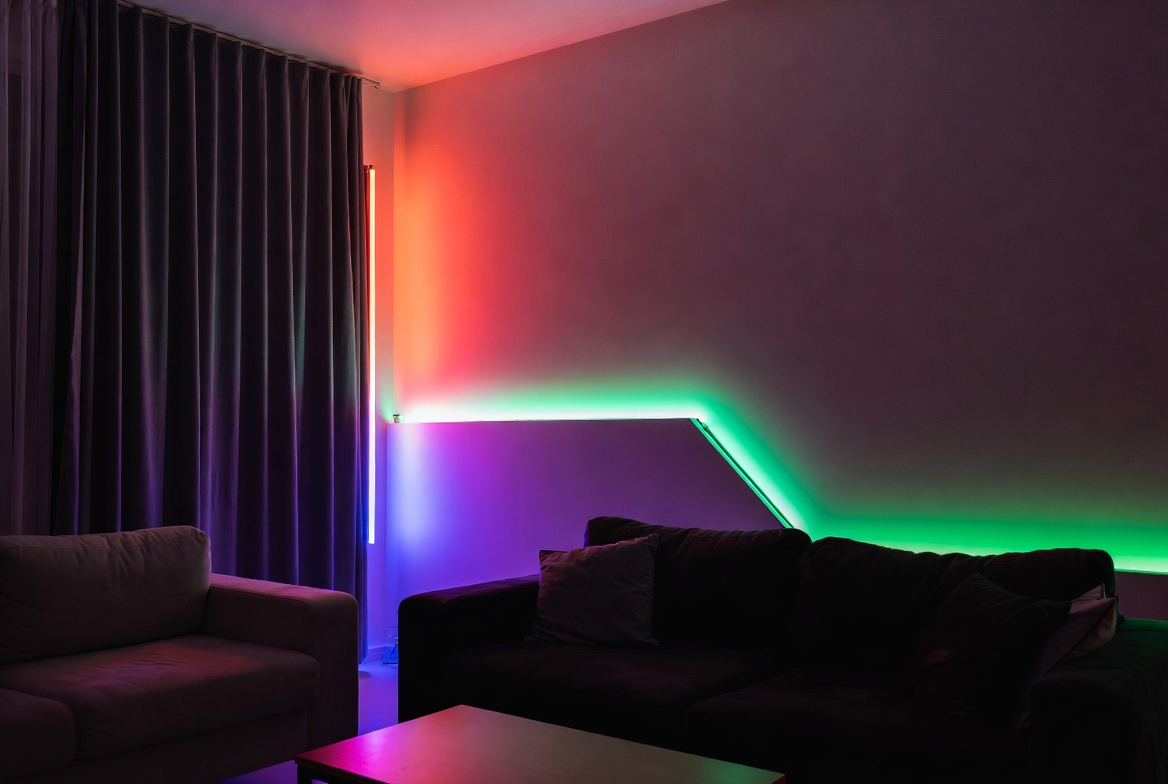
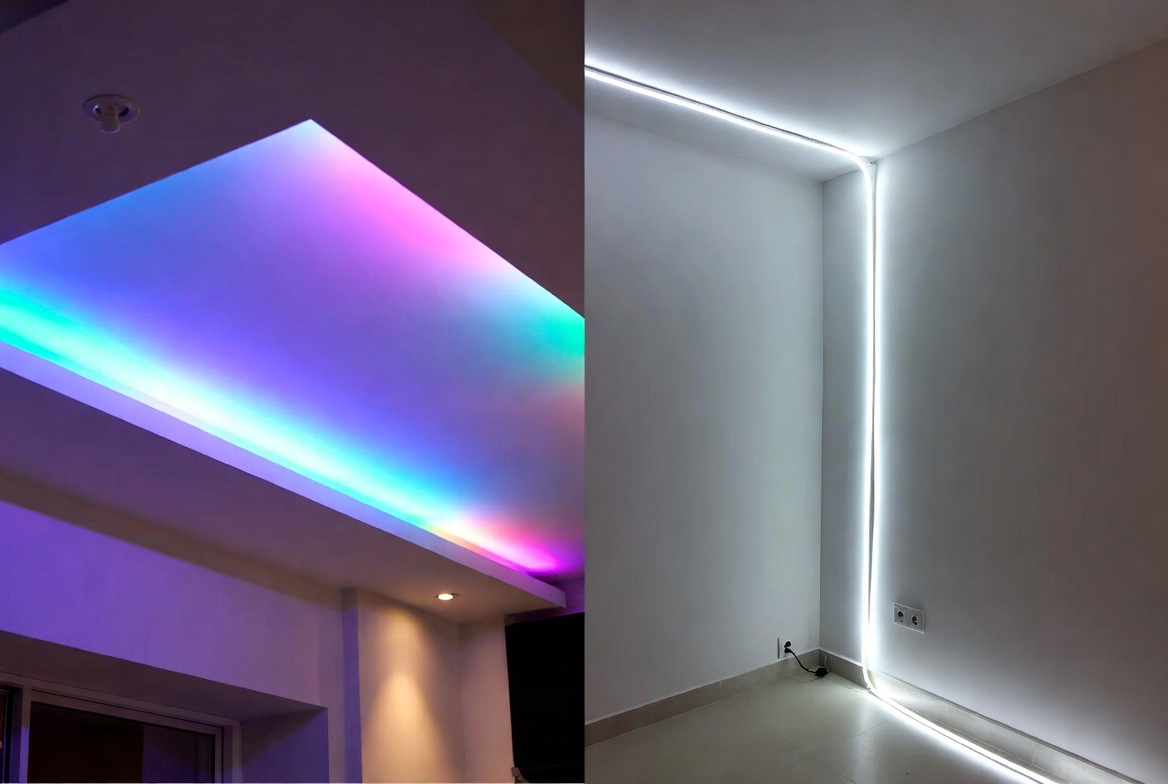
An RGB LED neon strip can display multiple colors and switching effects through a compatible controller or app. A single color neon strip delivers one fixed light output, such as warm white, cool white, red, blue, or another preset tone.
In simple terms, RGB is about change and atmosphere, while single color is about consistency and purpose. If you want visual flexibility for events, brand displays, or dynamic interiors, RGB is attractive; if you want clean, stable illumination for everyday use, single color is usually the smarter choice.
RGB LED neon strips are designed for users who want lighting that can adapt to different scenes. They are a strong fit for spaces where lighting is part of the experience, not just the visibility layer.
Typical strengths include:
- Multiple color output in one product.
- Scene-based lighting for parties, branding, or mood changes.
- Strong appeal in commercial environments that need visual impact.
- Better suitability for smart control ecosystems and app-based control.
From a project perspective, RGB products are often chosen when the light itself becomes part of the design language. That makes them especially useful in entertainment zones, creative retail interiors, showrooms, and decorative architectural accents.
Single color neon strips are built for lighting tasks where consistency matters more than color change. They create a stable appearance and are often preferred in spaces that need a calm, predictable, and polished result.
Common advantages include:
- A cleaner lighting strategy for daily use.
- Easier visual coordination with furniture and interior finishes.
- A straightforward user experience.
- Better alignment with practical residential and commercial illumination needs.
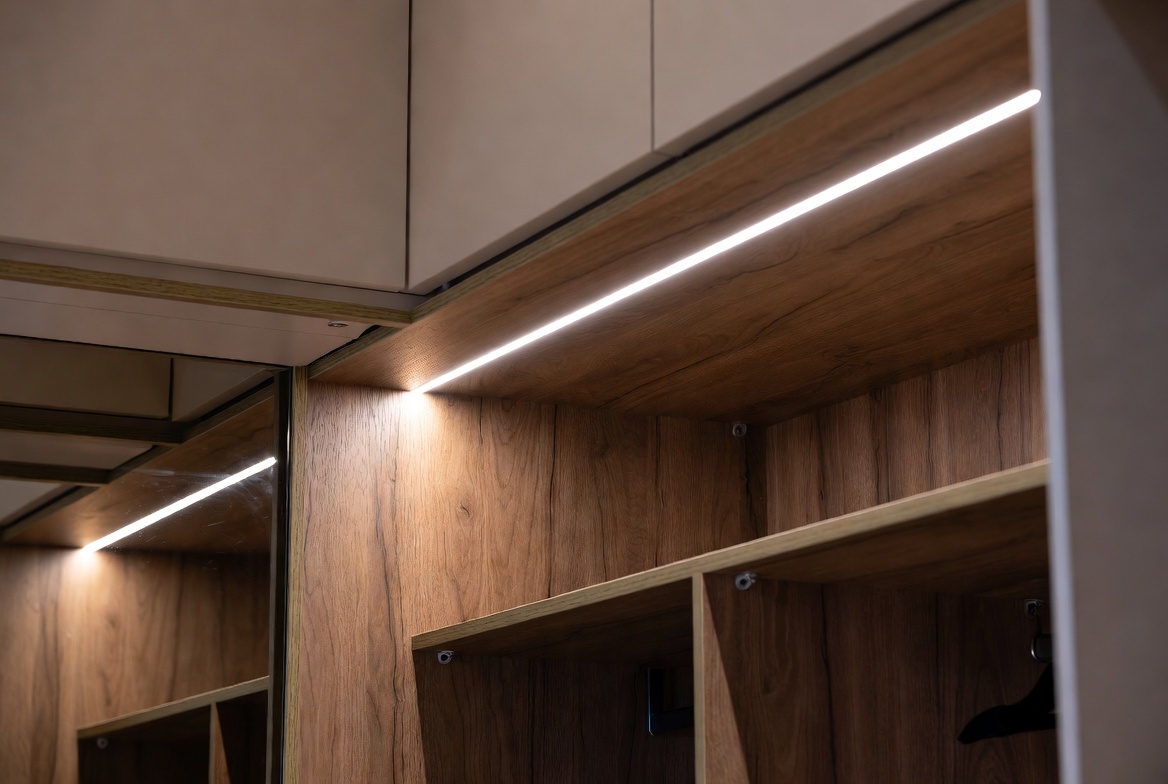
In many cabinet, wardrobe, bathroom, and bedroom applications, single color lighting feels more refined because it supports the room instead of competing with it. This is one reason it remains a top choice for furniture lighting and interior ambient applications.
| Factor | RGB LED Neon Strip | Single Color Neon Strip |
|---|---|---|
| Visual effect | Dynamic, changeable, attention-grabbing | Stable, uniform, understated |
| Best use case | Mood lighting, branding, events, creative spaces | Functional lighting, furniture lighting, everyday interiors |
| User control | Requires controller or app for full flexibility | Simpler control and easier daily use |
| Design style | Bold and expressive | Clean and timeless |
| Maintenance mindset | More features to manage | Simpler long-term use |
| Buyer priority | Variety and scene changes | Reliability and consistency |
This comparison shows a clear pattern: RGB serves versatility, while single color serves clarity. Choosing the right one depends on whether the project needs visual expression or dependable illumination.
The best way to choose is to start with the room's purpose, then work outward to the lighting behavior. A lighting product should follow the function of the space, not the other way around.
Use this decision path:
1. Define the main purpose of the light.
2. Decide whether color variation is truly needed.
3. Consider who will control the lighting.
4. Match the lighting style to the furniture and interior finish.
5. Think about long-term daily use, not only the first impression.
If the answer to "Do I need color changes?" is yes, RGB is the natural fit. If the answer is no, single color is usually more cost-efficient and easier to live with.
Different spaces call for different lighting behavior. In home and furniture applications, the most successful projects usually match the strip type to the emotional and functional role of the area.
- Kitchen and cabinet areas: Single color is often the better choice because it supports task visibility and a neat finish.
- Living rooms and entertainment zones: RGB works well when the light is part of the atmosphere.
- Bedrooms: Single color creates a calmer daily experience, while RGB can work for decorative accents.
- Bathrooms and wardrobes: Single color is usually preferred for clarity and visual comfort.
- Retail and display spaces: RGB is useful when the goal is to attract attention and create variation.
For furniture lighting projects, the most common request is not "more color," but "better integration." That is why many OEM and ODM buyers still prioritize stable single color solutions for cabinetry and built-in applications.
The visible difference between the two products is easy to understand, but the hidden difference is in complexity. RGB systems usually require more planning because they depend on compatible control methods and a clearer setup concept.
Single color strips are easier to specify, easier to explain to end users, and easier to standardize across multiple projects. That simplicity can matter a lot for manufacturers, installers, and overseas buyers managing repeat orders or multi-site rollouts.
A useful rule is this: if lighting needs to be changed often, RGB adds value; if lighting needs to work quietly every day, single color reduces friction. That distinction often decides whether a project feels premium or practical.
One common mistake is choosing RGB because it sounds more advanced, even when the space will almost never use color changes. In those cases, the extra flexibility may not improve the experience enough to justify the added complexity.
Another mistake is choosing single color without thinking about brand identity or user interaction. In customer-facing environments, lighting can influence how a space feels before visitors notice any product details.
The strongest projects balance appearance, control, and end-user behavior. That means the "best" strip is not the most feature-rich one, but the one that fits the real use case best.
From a manufacturing and project-development perspective, buyers should think in terms of application logic, not product hype. A reliable lighting solution is one that stays consistent with the space, the audience, and the installation plan across the full lifecycle of the project.
For OEM and ODM customers, single color products are often easier to standardize across cabinet lighting, wardrobe lighting, vanity lighting, and bedroom lighting programs. RGB products, by contrast, are more suitable when the target market values personalization, smart control, and visual storytelling.
At Farwise Technology Co., Ltd., this is exactly how many furniture lighting decisions are made: not by asking which strip is more exciting, but by asking which strip delivers the intended result with the least compromise.
Before placing an order, review these points:
- Is the lighting meant for daily function or visual effect?
- Will the end user actively control colors?
- Does the installation need a calm, fixed appearance?
- Is the product being used in a residential, commercial, or brand-driven setting?
- Will the choice still make sense after the novelty fades?
If most answers point toward steady performance, choose single color. If most answers point toward atmosphere and flexibility, choose RGB.
Choose RGB LED neon strip when the project needs energy, variety, and scene-based lighting. Choose single color neon strip when the project needs consistency, simplicity, and everyday usability.
For most furniture lighting, cabinet lighting, and bedroom-related applications, single color is the safer default. For retail displays, entertainment spaces, and highly visual interiors, RGB often creates stronger engagement.
If you are planning a cabinet, wardrobe, bathroom vanity, bedroom, or commercial lighting project, the smartest next step is to match the strip type to the actual application instead of choosing by trend. For OEM/ODM sourcing, request a solution that fits your installation, control preference, and end-user experience from the start.
1. Is RGB LED neon strip better than single color neon strip?
Not always. RGB is better for color-changing scenes, while single color is better for stable, everyday lighting.
2. Which one is better for cabinet lighting?
Single color is usually better for cabinet lighting because it gives a clean, consistent result and is easier to use daily.
3. Which one is better for retail displays?
RGB is often better for retail displays because it creates stronger visual impact and can help build atmosphere.
4. Is single color neon strip easier to install?
Yes. It is usually simpler because it does not need the same level of color control setup as RGB systems.
5. Can RGB neon strip be used in home interiors?
Yes, especially in living rooms, gaming rooms, accent walls, and decorative areas where flexible color changes are useful.
6. Which one is better for long-term everyday use?
Single color is often the better long-term choice because it is simpler, more consistent, and easier to match with interior design.
1. Farwise Technology Co., Ltd. — [https://www.farwiselighting.com/] [farwiselighting]
2. Farwise Technology Co., Ltd. profile — [https://www.shine.lighting/farwise/] [shine]
3. UK LED Lights, "What is the difference between neon rope and LED strip lights?" — [https://www.ukledlights.co.uk/blogs/ideas-advice/what-is-the-difference-between-neon-rope-and-led-strip-lights] [ukledlights.co]
4. Ankeral, "Ultimate Guide to LED Strip Light App: Smart Control for …" — [https://www.ankeral.com/led-strip-light-app-smart-control-guide/] [ankeral]
5. Super Bright LEDs, "The Ultimate LED Strip Light Guide: Selection, Installation …" — [https://www.superbrightleds.com/blog/ultimate-led-strip-lighting-guide.html] [superbrightleds]
6. Sunroleds, "LED Neon Strips vs. Traditional Neon Light" — [https://www.sunroleds.com/blog/led-neon-strips-vs-traditional-neon/] [sunroleds]
7. HitLights, "A Complete Guide to RGB Light Options" — [https://hitlights.com/blogs/premium-led-strip-lighting/a-complete-guide-to-rgb-light-options-hitlights] [hitlights]