


Tel / WhatsApp
+86-13790241903

Views: 248 Author: Farwise Lighting Publish Time: 2026-07-30 Origin: Site


Content Menu
● What Top Bend and Side Bend Mean
● Installation Checks That Matter
● FAQ
>> 1. Can top bend and side bend be used interchangeably?
>> 2. Which one is better for lettering and logos?
>> 3. Which one is better for straight decorative lines?
>> 4. What happens if I bend neon flex the wrong way?
>> 5. Should I check the bend radius before ordering?
>> 6. Is custom manufacturing useful for this kind of project?
Choosing between Top Bend vs Side Bend LED Neon Flex comes down to the shape you want to create, the surface you are lighting, and how the strip needs to move in space. In most projects, the right choice becomes obvious once you match the bending direction to the design intent and installation route.
Top bend LED neon flex bends in the vertical plane, so it is better suited to shapes that rise and fall in a front-facing direction. Side bend LED neon flex bends horizontally, which makes it a stronger fit for outlines, curves, and side-to-side design movement.
For buyers, the key is not the name itself, but the bending direction and how the product behaves during installation. That detail matters because forcing a strip in the wrong direction can damage internal components and reduce performance over time.

| Factor | Top Bend LED Neon Flex | Side Bend LED Neon Flex |
|---|---|---|
| Bending direction | Vertical movement, front-to-back style curves | Horizontal movement, left-to-right style curves |
| Best use | Straight runs, front-facing lines, simple shape accents | Letter outlines, waves, contours, and artistic patterns |
| Design feel | Clean, direct, and structured | Fluid, expressive, and outline-friendly |
| Installation priority | Keep the strip supported and avoid forcing the wrong bend | Keep the strip flat in its intended plane and follow the bend path |
| Risk if misused | Stress on internal parts and uneven shaping | Distortion, twisting, and possible damage to the strip structure |
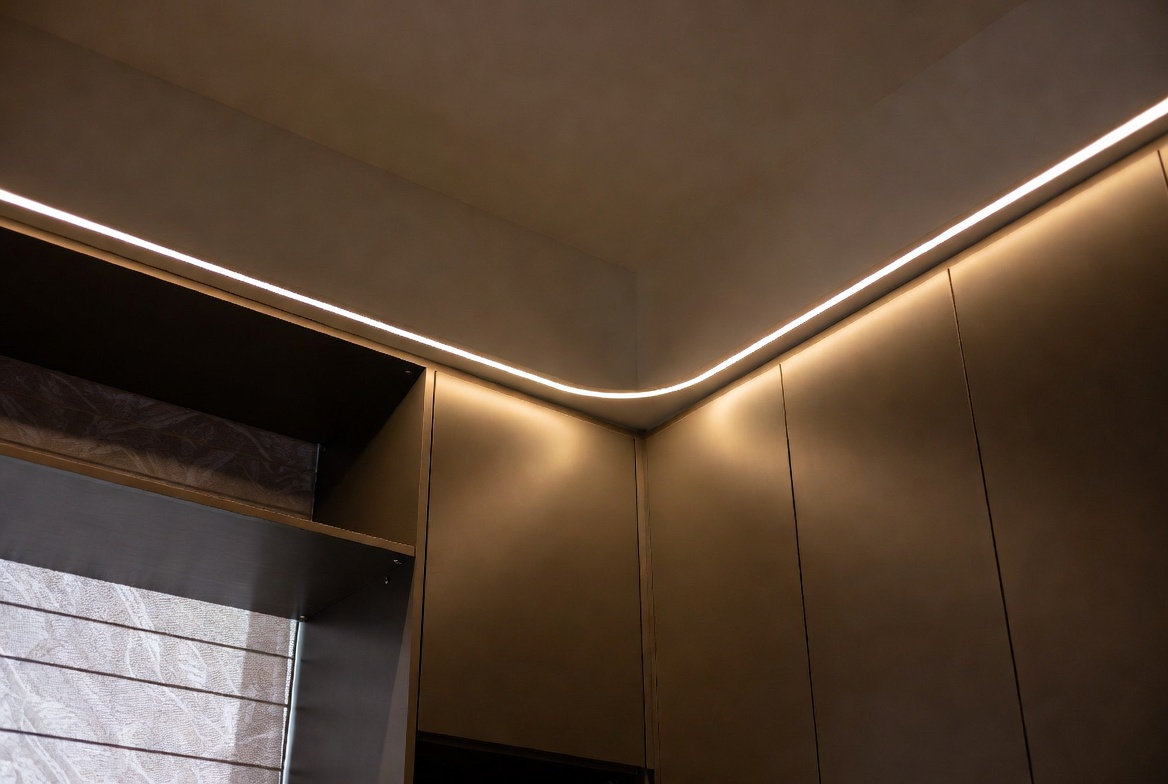
Top bend LED neon flex is usually the better option when the lighting line is meant to read as a clean front-facing feature. It works well for simple architectural accents, linear design features, and projects where the illuminated edge needs a smooth visual flow without complex contouring.
In furniture and interior lighting, top bend is often easier to plan when the visual line is more important than the outline shape. For example, a cabinet feature strip, a ceiling edge, or a decorative glow line can benefit from this more direct bending style.
Side bend LED neon flex is usually the stronger choice for curves, outlines, and surface-following designs. If the goal is to trace a logo, shape a decorative border, or guide the light around an irregular path, side bend tends to offer the most natural result.
This is also the safer option when the project calls for tighter visual contouring rather than a straight illuminated line. Industry guidance consistently warns against forcing neon flex into the wrong axis, because that can overstress the silicone body and inner structure.
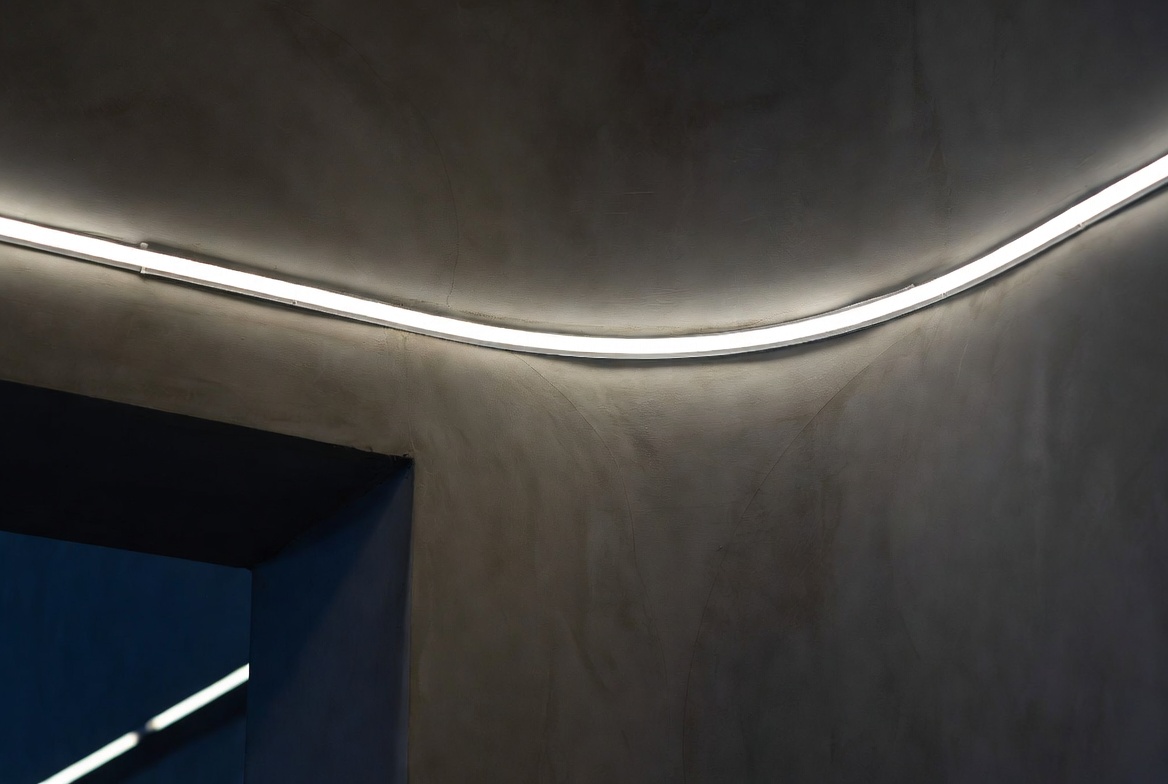
A practical way to choose is to think in three steps:
1. Define the visual shape first.
2. Decide whether the bend is vertical or horizontal.
3. Confirm the minimum bend radius and installation space before ordering.
For OEM and project-based buyers, this step is critical because a beautiful lighting concept can fail if the strip does not match the drawing path. That is why custom planning, connector selection, and installation alignment should be reviewed before production or mass deployment.
A reliable installation depends on more than just choosing the right bend type. The strip should be supported properly, installed on a suitable surface, and never forced beyond its intended bend direction.
Keep these checks in mind:
- Support the full length during installation.
- Avoid twisting or pulling the strip.
- Keep bending within the approved radius.
- Make sure power and connector planning match the layout.
- Use proper mounting accessories and a smooth installation path.
These basics help protect appearance, lifespan, and lighting consistency. They are especially important for commercial interiors, furniture lighting, and custom brand applications where repair time is costly.
From a manufacturing and project delivery perspective, the right bend type also affects production efficiency, customization, and after-sales satisfaction. A strip that matches the design from the start reduces installation errors, lowers replacement risk, and improves the final visual result.
For B2B buyers, this is where a factory-direct partner matters. Farwise Technology positions its silicone LED strip and cabinet lighting solutions around customization, stable quality, and OEM/ODM support, which is useful when a project needs a specific form factor or application fit. In practice, that means the best choice is not only about lighting style, but also about how well the product can be adapted to the project workflow.
If your design is front-facing, linear, and structured, start with top bend. If your design is curved, outlined, or artistic, side bend is usually the better fit.
When the project is custom, do not choose by appearance alone. Confirm the bending direction, installation path, connector layout, and intended visual effect before placing the order.
No, because each type is designed to bend in a different direction, and forcing the wrong movement can damage the strip.
Side bend is usually better because it follows outlines and curves more naturally.
Top bend is often a better fit for clean, front-facing linear effects.
It can stress the internal structure, create uneven lighting, or cause permanent damage.
Yes. Minimum bend radius is one of the most important planning points for safe installation and long-term performance.
Yes. Custom length, connector style, and layout planning can make installation easier and improve project consistency.
- Farwise Technology Co., Ltd. — [Official website] [farwiselighting]
- ENTTEC — [Neon Flex Installation Guide (PDF)] [farwiselighting]
- GLLS — [How To Properly Bend LED Neon Flex] [glls]
- GLLEDUS — [Top Bend vs Side Bend Neon Flex: Choosing the Right Bending Direction] [glledus]
- AspectLED — [Top Bend LED Neon Flex Lights] [aspectled]
- Suntechlite — [LED Neon Strip Bending Radius Guide] [suntechlite]
- Flexfire LEDs — [Neon Strip Installation Guide] [flexfireleds]
- Take Three Lighting — [Bending Linear Accent Lighting] [takethreelighting]
- Garmin PDF — [Eclipse Neon Flex Strip Light Installation Guide] [static.garmin]