
Views: 248 Author: Farwise Lighting Publish Time: 2026-08-06 Origin: Site


Content Menu
● Performance in Outdoor Conditions
● FAQ
>> 1. Is silicone neon flex always better than PU neon flex?
>> 2. Which material is better for coastal areas?
>> 3. Why does PU neon flex age faster outdoors?
>> 4. Is PU neon flex suitable for commercial outdoor projects?
>> 5. What is the main reason buyers choose silicone neon flex?
When outdoor lighting needs to survive sunlight, rain, heat, cold, and long operating hours, the material behind the product matters as much as the design itself. In most long-term outdoor projects, silicone neon flex is the more dependable choice, while PU neon flex can still be practical for cost-sensitive or shorter-use applications.
Outdoor neon flex is no longer just decorative. It is now used in façades, commercial signage, landscape accents, hospitality projects, and residential feature lighting where durability and appearance must stay consistent over time. For buyers, the real question is not which product looks similar on day one, but which material holds up better in the field.
This article compares silicone neon flex and PU neon flex from an application-first perspective. It focuses on weather exposure, UV stability, flexibility, maintenance, installation suitability, and project value so buyers can choose the right solution with confidence.

Outdoor neon flex is exposed to conditions that can quickly reveal weak material performance. Sunlight can cause discoloration, heat can accelerate aging, moisture can stress the sealing structure, and repeated bending during installation can reduce service life.
For this reason, material selection should never be treated as a minor detail. A product that looks similar in the showroom may behave very differently after months of outdoor exposure, especially in coastal, high-temperature, or highly variable climates.
Silicone neon flex is widely preferred for demanding outdoor environments because it offers stronger resistance to UV exposure, heat stress, weathering, and chemical influence. It is often chosen for architectural outlines, hotel exteriors, marine-adjacent projects, and installations that are expected to remain visually stable over time.
From a practical perspective, silicone also supports a more premium positioning. It is commonly associated with higher-end outdoor lighting projects where buyers want long-term reliability, cleaner appearance retention, and lower maintenance pressure.
PU neon flex remains attractive because it is often more budget-friendly and can be suitable for certain decorative or short-term outdoor scenarios. It is flexible, familiar to many installers, and can meet the needs of projects where price matters more than long service life.
However, PU is generally less suitable for harsh outdoor exposure. Under strong sunlight or more demanding climates, it may face greater risks of yellowing, surface aging, or reduced structural stability compared with silicone.
| Aspect | Silicone Neon Flex | PU Neon Flex |
|---|---|---|
| Outdoor durability | Better for long-term exposure | Better for lighter-duty use |
| UV stability | Stronger resistance to sunlight aging | More likely to show aging over time |
| Heat and cold performance | More stable in wider conditions | Less suitable for extreme environments |
| Weather resistance | Strong choice for rain, humidity, and coastal conditions | Works in less demanding outdoor settings |
| Appearance retention | Better long-term clarity and shape retention | More risk of discoloration or visual change |
| Cost position | Higher initial investment | More budget-friendly |
| Best fit | Permanent outdoor, premium, or high-risk environments | Temporary, decorative, or cost-sensitive projects |
The clearest difference between the two materials appears after exposure. Silicone is generally viewed as the safer option for strong sunlight, frequent rain, coastal air, and installations that need stable performance across seasons. It is also better aligned with projects where the lighting line itself is part of the architecture and must stay neat and clean-looking.
PU can still work outdoors, but its role is narrower. In projects with moderate conditions, shorter duration, or tighter budgets, it can be a reasonable compromise. Once the environment becomes harsher, the balance shifts quickly toward silicone.
For installers, material behavior matters during bending, fixing, and aligning. Silicone is often preferred in professional outdoor projects because it is better suited to long-term installation reliability and repeated exposure stress. This helps reduce the chance of premature replacement or visual degradation after commissioning.
PU may feel easier to justify at the purchasing stage, but it can be less forgiving over time. Where the project involves complex outdoor curves, permanent mounting, or hard-to-access locations, the safer material choice can reduce after-sales issues and site revisits.
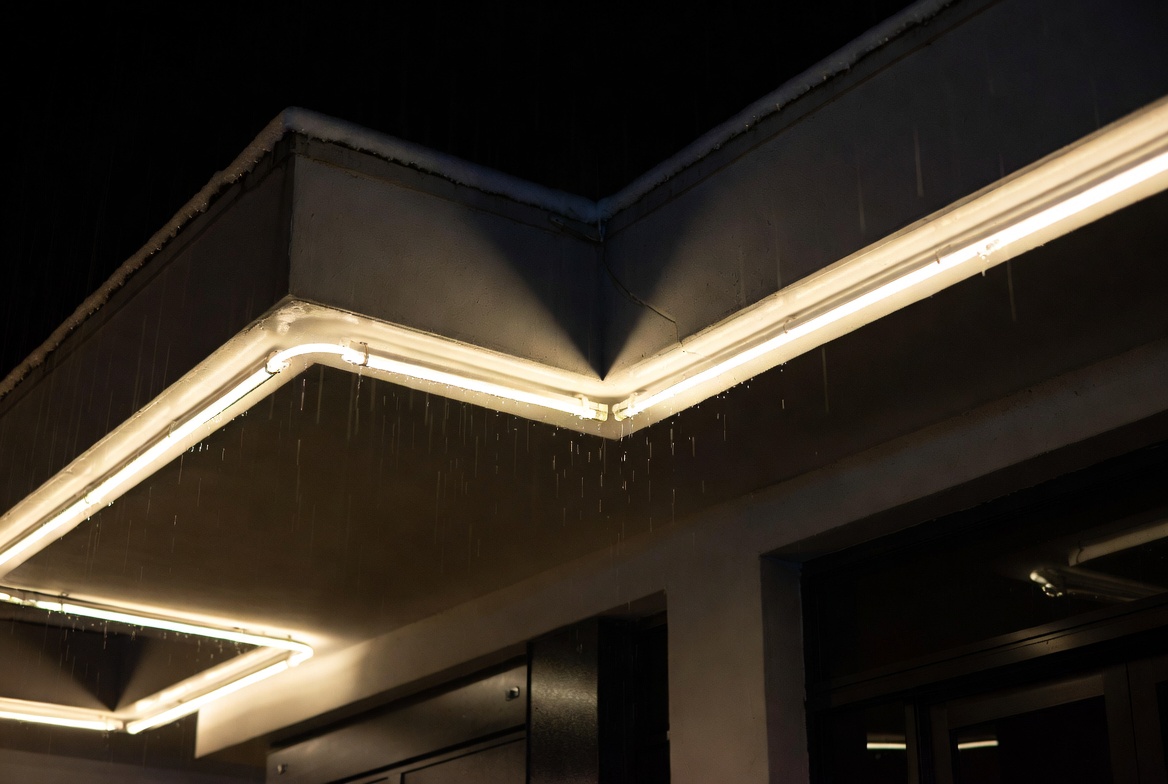
Choose silicone neon flex when the project involves:
- Permanent outdoor lighting.
- Strong sunlight or high UV exposure.
- Coastal, humid, or weather-challenged environments.
- Premium commercial or architectural installations.
- Lower maintenance expectations over time.
Choose PU neon flex when the project involves:
- Short-term or temporary outdoor use.
- Decorative applications with moderate exposure.
- Budget-sensitive purchasing decisions.
- Less demanding climatic conditions.
- Projects where replacement cycles are acceptable.
In practical sourcing terms, the market has been moving toward longer-lasting outdoor lighting systems because buyers increasingly want fewer replacements, lower maintenance pressure, and more stable visual results. That trend favors materials with stronger weather resilience, especially for commercial and hospitality projects where appearance matters as much as function.
For manufacturers and importers, this also changes the sales conversation. The best product is not always the lowest-cost option; it is the one that fits the environment, project duration, and expected service life. In many outdoor applications, silicone neon flex is becoming the default recommendation for that reason.
From a sourcing and project-delivery point of view, silicone neon flex is the safer and more professional recommendation for most outdoor applications. It offers better resistance to sunlight, stronger long-term appearance retention, and a more reliable fit for high-value installations.
PU neon flex still has a place in the market, especially where budget is the main concern or where the installation is temporary. But for buyers who want fewer complaints, better longevity, and a more premium end result, silicone usually delivers stronger total value.
Before choosing between the two, ask these questions:
1. Is the installation permanent or temporary?
2. Will the product face direct sun for long periods?
3. Is the project near the sea, pool, or humid environment?
4. Is appearance retention more important than initial price?
5. Will replacement or maintenance be difficult after installation?
If most answers point toward durability and long service life, silicone is the stronger fit.
Not always. Silicone is usually better for long-term outdoor use, but PU can be a smart choice for short-term, decorative, or budget-sensitive projects.
Silicone is generally the better choice because it offers stronger resistance to weather exposure and environmental stress in coastal conditions.
PU is more likely to show aging under strong sunlight and harsh weather, which can affect appearance and long-term reliability.
It can be, but only when the environment is moderate and the project does not require long service life. For premium commercial exteriors, silicone is usually the safer option.
The main reason is long-term outdoor stability. Buyers want better resistance to UV, weather, and visual aging, especially for installations that are costly to replace.
1. [PU vs Silicone LED Neon Flex Lights: Which Is Better?]
2. [PU Vs Silicone LED Neon Flex Lights: Which Is Better? - Safer LED]
3. [Specifying Rugged LED Fixtures | Custom Outdoor Lighting]
4. [PU vs Silicone: Which Material is Best for LED Neon Flex?]
5. [Best Outdoor LED Lighting Fixtures for Harsh Weather Areas]
6. [How to Choose the Best Waterproof Outdoor LED Lights for Your Space in 2025]


