
Views: 262 Author: Farwise Lighting Publish Time: 2026-08-05 Origin: Site


Content Menu
>> Key strengths of CSP strips
>> Key strengths of COB strips
>> Cabinets and wardrobe interiors
>> Bathroom vanities and bedroom furniture
>> Display units and decorative shelving
● What Buyers Should Evaluate First
● Expert View From Manufacturing
● FAQ
>> 2. Which strip is better for wardrobes?
>> 3. Which one looks more seamless?
>> 4. Which one is easier to hide inside furniture?
>> 5. Can either one be used in bathrooms?
>> 6. Why should a buyer consider custom manufacturing?
If you are choosing a strip for cabinets, wardrobes, bathroom vanities, or bedroom furniture, the real decision is not just about brightness. It is about how the light looks, how easily it fits into the installation space, and how consistently it performs over time.
Furniture lighting has moved far beyond simple decoration. Today's projects demand a clean visual finish, better light control, easier installation, and a product that supports both custom manufacturing and real-world use.
That is why CSP and COB strips are now two of the most discussed options in linear lighting. Both are designed for smooth, modern illumination, but they serve slightly different priorities in design and application.
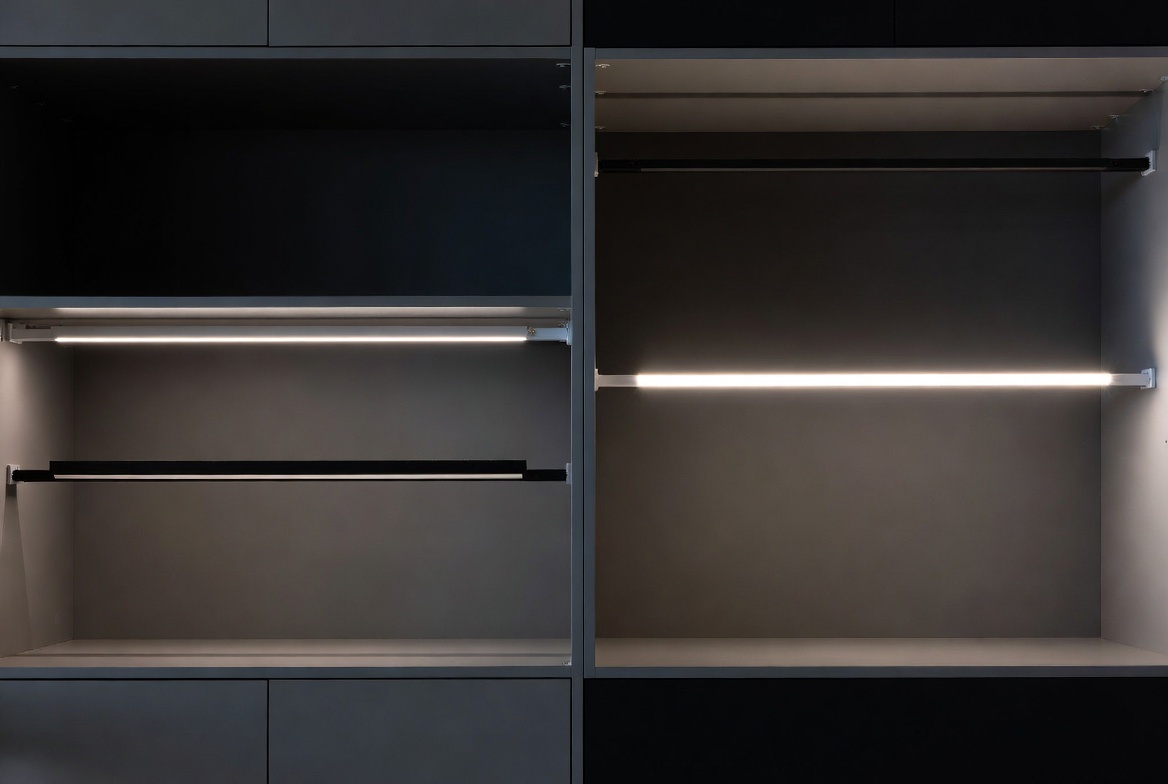
A CSP LED strip uses chip-scale packaged LEDs, which means the light source is built in a compact form with a smaller package structure. In practical terms, this helps the strip achieve a slim profile and a refined visual appearance.
One of the biggest advantages of this format is its clean and compact light-emitting structure. That makes it especially attractive for narrow spaces, concealed installs, and furniture projects where the light source should be felt more than seen.
- Compact structure for slim installations.
- Strong visual consistency in lighting appearance.
- Better fit for tight furniture channels and hidden lighting layouts.
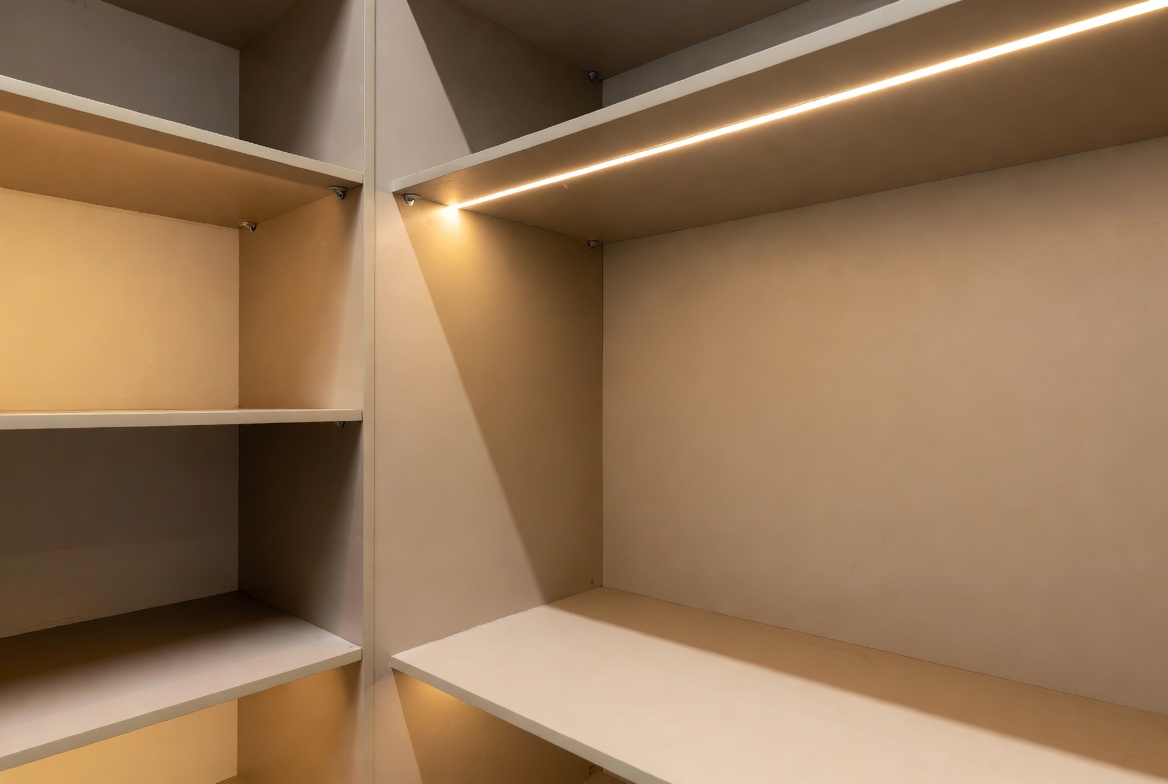
A COB LED strip places multiple chips close together on the board, creating a nearly continuous line of light. This design helps reduce visible dots and gives the strip a smooth look that many designers prefer for accent and ambient lighting.
Compared with older point-light strip formats, COB is often chosen when the priority is a soft, even light line with fewer visual interruptions. That makes it especially popular in modern cabinets, shelves, and interior edge lighting.
- Smooth, continuous lighting effect.
- Reduced visible hotspots in many installations.
- Strong decorative value in modern interiors.
For buyers, the best choice usually depends on how the strip will be used rather than on the technology name alone. The table below shows the most practical differences.
| Factor | CSP LED Strip | COB LED Strip |
|---|---|---|
| Visual effect | Compact and refined appearance. | Continuous and smooth light line. |
| Installation fit | Better for tight or narrow spaces. | Better for visible decorative lighting. |
| Lighting style | Clean, restrained, and subtle. | Soft, even, and highly uniform. |
| Best use focus | Concealed furniture lighting, compact channels. | Cabinets, shelves, and visible linear accents. |
For cabinet interiors and wardrobes, lighting must be practical, discreet, and easy to integrate. COB is often preferred when the goal is a smooth illuminated line with minimal visual breakup, while CSP is a strong choice when the profile space is limited.
In bathroom vanities and bedroom furniture, users usually want a soft glow rather than a harsh light source. Both formats can work well, but COB is often selected for visible accent lighting, while CSP is useful when the fixture needs to stay visually hidden.
For display furniture, the lighting effect becomes part of the product presentation. COB is usually a better fit because it produces a clean line of light that enhances product visibility and design appeal.
A good lighting choice starts with the project brief, not the product sheet. Before selecting CSP or COB, ask these questions first.
1. Is the strip visible or hidden?
2. Is the goal task lighting, ambient lighting, or decorative lighting?
3. Is the installation space narrow or flexible?
4. Does the project need a soft continuous line or a compact concealed source?
5. Will the lighting be used in cabinets, wardrobes, vanities, or feature furniture?
These questions help avoid mismatched expectations and reduce installation problems later.
If you want a strip that blends into the furniture and supports compact design, CSP is often the better fit. If you want a smooth light line with strong decorative value, COB is usually the more familiar and flexible option.
A simple rule works well in most projects:
- Choose CSP when space is tight and the light source should stay discreet.
- Choose COB when visual uniformity and a clean light line matter most.
- Choose custom-built solutions when you need a project-specific balance of appearance, installation ease, and long-term consistency.
From a manufacturing standpoint, the real value is not just in the chip format. It is in whether the strip can be adapted to the furniture structure, assembly flow, and final user experience.
That is why OEM and ODM customization matters so much in this category. A strip that works perfectly in a showroom may fail in a real cabinet if the size, mounting method, or light effect does not match the application.
For project buyers, this means the best supplier is not only selling a strip. The right partner is helping define the entire lighting solution around the furniture design.

Farwise Technology Co., Ltd. focuses on furniture lighting solutions built for practical application across cabinets, wardrobes, bathroom cabinets, bedroom frames, and other interior spaces. The advantage of working with a source manufacturer is flexibility in size, function, appearance, and overall solution design.
That matters for brands, distributors, and project contractors who need stable product quality, repeatable installation, and customization support for different markets.
CSP and COB are both strong options, but they solve different problems. CSP is often the better choice for compact, concealed, or highly space-sensitive designs, while COB is often preferred for a smooth, continuous light effect in visible furniture lighting.
For cabinet, wardrobe, vanity, and bedroom projects, the best result usually comes from matching the strip to the furniture structure, lighting purpose, and installation workflow. The right lighting partner can turn that choice into a reliable system rather than a one-off product.
Talk to Farwise Technology Co., Ltd. to develop a custom furniture lighting solution for your next cabinet, wardrobe, or interior project.
Not always. CSP is often better for compact installations, while COB is often better for a smooth continuous light line.
Both can work, but COB is commonly preferred for visible linear lighting, and CSP is useful when the space is narrow.
COB usually creates the more seamless visual line because the chips are closely packed along the strip.
CSP is often easier to conceal because of its compact structure and suitability for tight spaces.
Yes, both can be used in bathroom furniture applications when the product structure and installation method are appropriate for the environment.
Because furniture lighting often needs specific dimensions, visual effects, and installation methods that standard products cannot always match well.
1. [LEDYi Lighting — CSP LED Strip vs COB LED Strip] [ledyilighting]
2. [Ecolor LED — 选灯带不掉坑!一文搞懂SMD、COB、CSP灯带的区别] [ecolor-led]
3. [Univerlux — 关于我们] [univerlux]
4. [LED Strip Lights for Cabinets and Furniture — 2026 Guide] [aidiwattlighting]
5. [LED Strips Built Into Furniture: 2026 Interior Design Shift] [lumencorner]
6. [Best LED Strip Lights for Every Room: 2026 Buyer's Guide] [lumencorner]
7. [How to Create Ambient Lighting in a Bedroom with LED Strip Lighting] [tlwglobal]


